
by Hotel Development Guide – Darren Blanchard
Last Updated: November 2026
Responsible tourism is a development and investment issue from the moment a hotel site is considered. A hotel can create jobs, support local businesses, and give visitors more ways to experience a destination, while increasing demand for land, water, labour, and public services in the weeks when they are already under the most pressure. A responsible developer tests what the destination can support and what the hotel will contribute before committing to the site, room count or facilities. Early scrutiny can protect the project’s financial viability by reducing the risk of late redesign, delayed opening and operating costs that the original budget failed to capture.
Responsible tourism shapes decisions about site selection, room count, facilities, and the operating model. It covers how a hotel uses shared resources, affects habitats and public access, and influences where and when visitors go. It also includes social impact, from working conditions for hotel and construction staff to opportunities for local businesses and the consequences for people living nearby. These issues are connected because a decision about land, water or transport usually affects people as well as the project.
The United Nations Sustainable Development Goals give hotel developers and operators a framework for considering those effects. Two targets address tourism directly, linking it to employment, local culture and products, and the monitoring of tourism’s impacts. For an individual hotel, the work is to identify which issues matter in its location and carry the findings into the design brief, construction contracts and operating budget. Monitoring after opening can then show whether the commitments are being delivered and where the hotel needs to change its practices.
Responsible Tourism and Social Impact in Hotel Development
Why Responsible Tourism Matters to Hotel Developers
Why Hotels Have a Significant Local Impact
A hotel brings a permanent operating business to a site. Its effects extend beyond its guests and direct employees to contractors, agency workers, suppliers, transport providers and businesses that serve its visitors. Restaurants, pools, laundry, landscaping and events can make two hotels with the same room count very different in their demand for resources, labour and infrastructure. The significance of that demand depends on the size and capacity of the destination around the hotel.
The effects are particularly visible where a large resort opens near a small community. It may introduce a single employer with substantial seasonal labour demand while drawing on the same housing, roads, and water systems as residents and existing businesses. A city hotel may recruit from a much larger labour market, while its loading bay, events or coach arrivals have a considerable impact on the streets immediately around it. The assessment should consider the area affected by each activity, from the immediate neighbours to the wider workforce catchment or water supply area.
The Investment Case for Acting Early
An early assessment can show whether a scheme can operate at the proposed scale and standard. A developer can test whether the workforce is available, whether shared infrastructure can handle peak loads and whether the site can be built out without unacceptable damage to its setting or established uses. The findings can change the facilities mix, the development budget or the choice of site. They can also help the owner budget for infrastructure, staff transport, accommodation or other commitments before securing investment approval.
When these questions surface close to pre-opening, remedies can be expensive and options limited. A resort may have to arrange staff accommodation at short notice, reduce restaurant hours because it cannot fill shifts, or face water restrictions at high occupancy. A hotel may have to redesign its arrival area after discovering that coaches obstruct a public route or that the accessible entrance is difficult to reach from the drop-off point. Early action can reduce redesign and delays, improve the reliability of staffing and supply arrangements, and give the operator a better basis for working with neighbours and local businesses.
The UN Sustainable Development Goals and Hotels
Targets for Tourism and Hotel Development
The UN’s 2030 Agenda sets out 17 Sustainable Development Goals, commonly known as the SDGs. Target 8.9, under Goal 8, calls for policies that promote sustainable tourism, create jobs and support local culture and products. Hotel developers and operators can contribute through the jobs they create, the opportunities available to local suppliers, and how local people participate in the experiences offered to guests. The quality and durability of those opportunities matter as much as the number of jobs or contracts awarded.
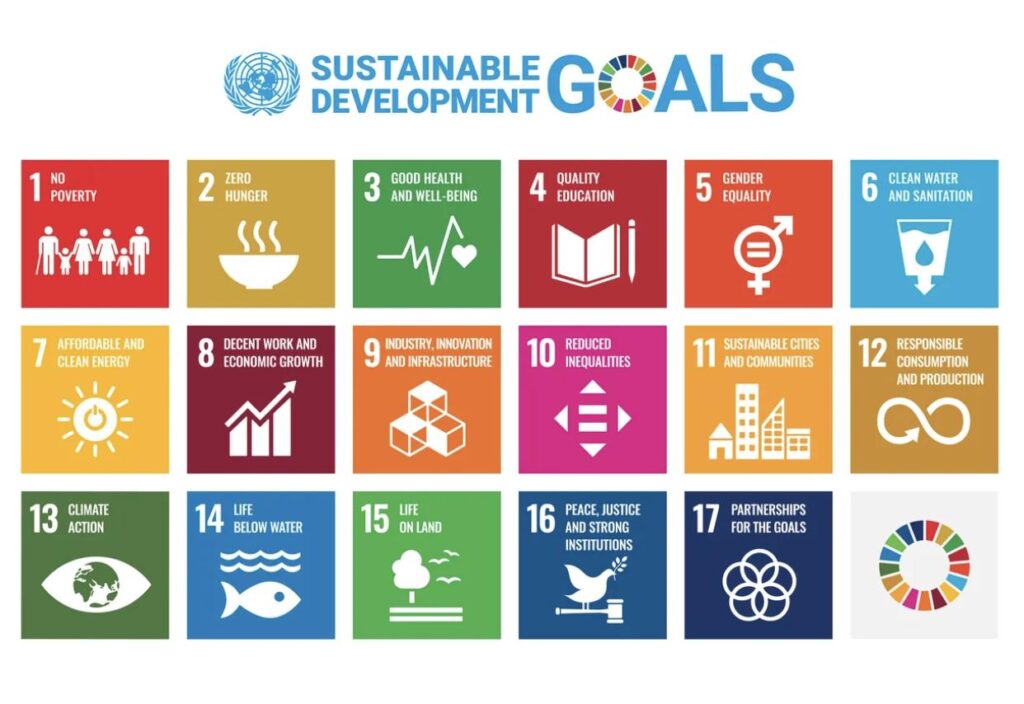
Target 12.b, under Goal 12, calls for tools to monitor the impacts of sustainable tourism. At property level, a hotel can contribute by establishing baselines, using consistent definitions and reviewing results against local conditions. The goals and targets operate at a wider policy level, while the indicators below illustrate what a hotel could track in its own development and operation. The most relevant goals will vary with the site, the facilities and the people affected.
| UN Sustainable Development Goal | Hotel development or operating decision | Examples of property-level evidence |
|---|---|---|
| Goal 6 · Clean Water and Sanitation | Test water supply and wastewater treatment capacity in dry periods and at peak occupancy. | Peak-day water demand, supply interruptions and treatment performance. |
| Goal 11 · Sustainable Cities and Communities | Protect public access and heritage, and manage the effects of transport, events and concentrated visitor activity. | Usability of agreed access routes, traffic patterns and recurring concerns from neighbours. |
| Goal 12 · Responsible Consumption and Production | Apply the monitoring principle in Target 12.b, and plan how the hotel uses resources and manages waste. | Absolute and per-guest resource use, seasonal waste volumes and results against a baseline. |
| Goals 14 and 15 · Life Below Water and Life on Land | Assess effects on coastal, marine and terrestrial habitats where relevant to the site and guest activities. | Condition of sensitive areas and delivery of habitat protection or restoration commitments. |
| Goal 8 · Decent Work and Economic Growth | Improve job quality and progression, and create opportunities for local producers, suppliers and cultural businesses. | Staff retention and progression, recruitment terms and spending with local businesses. |
| Goals 5 and 10 · Gender Equality and Reduced Inequalities | Review access to employment, training, promotion, hotel facilities and guest services. | Representation and progression by grade, and accessibility barriers addressed. |
| Goal 3 · Good Health and Well-being | Improve workplace health and safety and the quality of indoor environments for staff and guests. | Corrective actions completed and relevant indoor environmental measurements. |
Can the Destination Support the Proposed Hotel?
Water, Wastewater and Local Infrastructure
The feasibility study should establish whether the hotel and the destination can meet expected demand in the busiest weeks. At a seasonal resort, high occupancy may coincide with dry weather and the period when residents, other businesses and visitors place the greatest demand on water supplies. Wastewater treatment, waste collection, roads and public transport should be assessed over the same period. An annual average can conceal a shortfall during the weeks that matter most to residents and the hotel.
The mix of facilities can materially change that assessment. Irrigated landscaping, swimming pools, on-site laundry, restaurants and events all affect demand, and some uses may continue when room occupancy is lower. Water use per guest-night helps compare efficiency, while total consumption and peak-day demand show the load the destination must support. A larger hotel can be more efficient per guest and still put substantially more pressure on the same water supply.
When a scheme depends on additional infrastructure, the investment appraisal should identify who will pay for it, when it will be available and who will operate and maintain it. A hotel with on-site treatment still needs arrangements for maintenance, monitoring and periods when the system is unavailable. The assessment should consider existing demand and other planned projects that will draw on the same supply, treatment plant or road network. The findings can justify a smaller scheme, a different facilities mix, an infrastructure contribution or a change of site.
Remote Resorts, Workforce Capacity and Housing
A remote destination may have enough visitor demand for a large resort and too few people nearby to staff it. A workforce assessment should estimate how many employees are needed by department, shift and season, which skills are available locally and where the resort will compete with other employers. It should also test how people will get to work at the hours the hotel operates. A daytime bus service may do little for employees who start before breakfast or finish after midnight.
The resort can create new employment and provide a route into skilled or supervisory work, especially when recruitment and training start before opening. It can also draw experienced workers away from existing businesses or add to rental demand by recruiting from further afield. If staff transport or accommodation is part of the solution, the appraisal should cover the costs of provision, operation and maintenance. The quality of that provision affects employees’ travel time, privacy and access to shops and services, as well as the operator’s ability to recruit and retain staff.
Protecting Landscape, Habitats and Local Character
Site Selection, Footprint and Construction
The land affected by a hotel includes the buildings, grounds, and areas needed for roads, utilities, drainage, and servicing. Clearing vegetation, cutting into slopes or building on dunes can change drainage, erosion and habitat conditions outside the immediate construction footprint. On a coastal site, the assessment may also need to consider how lighting, surface water, visitor access or marine activities affect nearby sensitive areas. Where several schemes are planned along the same coastline or within the same landscape, their combined effects should inform the assessment.
Site selection and concept design offer the greatest scope to avoid damage. A developer can compare reusing an existing building with a new build, test a smaller footprint, or move buildings and infrastructure away from sensitive areas. The preferred layout should then be reflected in construction limits, routes for heavy vehicles, controls on lighting and drainage, and arrangements for protecting retained features. Commitments that continue after opening should transfer to the operator with clear maintenance and monitoring responsibilities.
Heritage, Public Access and Community Consultation
A site may contain buildings that contribute to the character of a historic area, provide access to a beach or public space, or support existing businesses and informal uses. The scale and placement of a new building can change a street’s setting, just as the placement of a service yard can change how neighbours experience it. At feasibility, the developer should establish who uses the site and surrounding routes, including people whose use may be seasonal or informal. This can affect the programme for a conversion, the layout of a new scheme, and how it connects to public space.
Consultation is most useful while the project can still change. Residents may be able to identify where deliveries already cause problems, while traders may explain why a proposed construction closure would affect customer access. The project team should record the issues raised, the response agreed and who will follow through. If a footpath is to stay open, for example, that commitment should appear in the drawings, construction phasing and operating plan, with a check after opening that the route remains usable.
Managing Visitor Pressure and Overtourism
Where and When a Hotel Adds Pressure
Overtourism occurs when the volume, concentration or timing of visits creates pressures that a destination struggles to manage. The effects might be concentrated in a historic centre on summer weekends, around a beach with limited access, or at an attraction during a few hours of the day. A hotel can add to those pressures through restaurants, weddings, conferences, transfers and excursions, as well as through its guestrooms. A development appraisal should examine where those visitors go, how they travel and whether hotel activity coincides with existing peaks.
A hotel can also change the type of demand placed on a destination. Large functions may generate traffic and late-night noise, while regular coach excursions can bring groups into a small area at the same time. A proposed events space or excursion programme should therefore be assessed alongside the room count and occupancy assumptions. The findings can influence event capacity, coach access and parking, the location of outdoor venues and the hours during which certain activities are practical.
What the Hotel Can Manage
Operators can manage some effects through event schedules, transfer arrangements, excursion group sizes and the information they give guests. Working with guides, attractions, and transport providers can help stagger arrivals and identify places with the capacity and willingness to receive visitors. Sending guests to a quieter location can shift pressure to another community or sensitive site, so recommendations should account for local conditions. The hotel can use feedback from residents and partners, alongside information on traffic and visitor patterns, to check what happens in practice.
Some measures depend on decisions at the destination level. Public transport, access management and the cumulative effect of multiple developments require coordination with local authorities and other businesses. A developer should identify which pressures the project can manage and which depend on commitments elsewhere. If the scheme relies on a later transport improvement or new visitor facilities, that dependency belongs in the feasibility assessment and investment programme.
Tourism Pressure in Practice
Barcelona and the Limits on Further Hotel Development
Barcelona shows how sustained visitor pressure can change what a city is willing to permit. Residents who have protested against mass tourism have raised concerns about housing affordability, crowding and the loss of neighbourhood character. The city’s Special Urban Plan for Tourist Accommodation, known as the PEUAT, applies different rules across the city. In its most restrictive zone, the plan rules out new tourist accommodation and increases in existing capacity. For a developer, an area with strong demand for hotel rooms can therefore be precisely the area where adding rooms is most difficult.
The planning position needs to be established before the developer commits to the site or values it on the assumption that it can be converted to hotel use or expanded. The appraisal should also consider why the restrictions exist and how the proposed hotel would affect a neighbourhood already under pressure. Resident opposition can influence the public debate over future development and reinforce support for tighter controls. Strong demand and attractive room rates can support the trading forecast, but they cannot make an unpermittable scheme viable.
Zvërnec and the Long-Term Risks of Development on a Sensitive Coast
The proposed luxury resort at Zvërnec, near Albania’s Vjosa–Narta protected landscape, raises the question of how much development a sensitive coastal area can sustain. In June 2026, Reuters and Associated Press reported protests over the plans, with residents and environmental groups raising concerns about the coast and nearby wetland. The Albanian government presented the project as an opportunity to develop higher-end tourism. The dispute shows how a project can have government backing while facing substantial opposition over its location, scale and environmental effects.
The developer’s assessment needs to go beyond whether the project can obtain permits. It should consider how the resort, its roads and utilities, and its eventual operations would affect habitats, drainage, public access and the wider coastline, including the combined effects of other developments. Early engagement with residents and other local groups can reveal concerns that materially change the case for the site or the scale of development. A smaller footprint, a different layout or an alternative site may offer a more sustainable outcome, and some sites may prove unsuitable for the proposed development.
These judgments also matter to long-term asset value. If development damages the landscape or habitats that make a destination attractive, it can erode part of the hotel’s appeal. Unresolved community opposition can persist after opening, while ecological damage can raise operating or remediation costs and constrain future expansion. Those risks can influence how lenders and future buyers assess the property, which makes them relevant to both the original investment appraisal and the assumptions about resale value.
Employment, Local Business and Community Impact
Job Quality, Human Rights and Inclusion
A hotel’s contribution to decent work depends on the conditions under which people are recruited and employed, the opportunities they have to progress, and how concerns are handled. This applies to people working on the construction site, those recruited for pre-opening and those delivering services once the hotel opens, including staff employed by agencies and subcontractors. Human rights considerations include fair recruitment, freedom from coercion and discrimination, safe working conditions, and access to a process that can put things right when harm occurs. The developer can address these matters when selecting contractors and agreeing contract terms, and the operator can carry them into recruitment, purchasing and day-to-day management.
Job Quality and Career Progression
Hotel employment is one of the clearest ways a property can contribute to Goal 8. The value of those jobs depends on pay, working hours, the predictability of schedules, transport and the ability of staff to build a career. For seasonal hotels, the length of the working season and the process for returning the following year can matter as much to employees as the number of jobs advertised. Hotels can review recruitment and turnover by department and job grade to understand where opportunities are opening up and where people are leaving.
Training has greater value when employees can use it to gain responsibilities, qualifications or promotion. A hotel might track whether housekeeping or food and beverage team members who complete supervisory training are subsequently interviewed, promoted or retained. Reviewing results by department and job grade can reveal barriers that disappear within a hotel-wide average. This is where Goals 5 and 10 can inform practical decisions about who gets access to training, which employees are considered for promotion, and what support they need to take up those opportunities.
Outsourcing, Fair Recruitment and Worker Voice
Hotels may outsource security, cleaning, laundry or other services, and they may use staffing agencies to meet seasonal or event demand. The choice of provider and the commercial terms of the contract influence the working conditions of people delivering those services. Procurement and operations teams can review recruitment practices, working hours, payment arrangements, safety training and the provider’s use of subcontractors. Concerns about recruitment fees, coercion or exploitation need a clear route for escalation and follow-up.
Before awarding a contract, the developer or operator should establish who recruits the workers, what terms they receive before starting and whether they are asked to pay fees to obtain the job. Where labour is supplied through several subcontracting levels, the main contractor or service provider should be able to identify the employers and explain how it checks that workers receive the pay and conditions they were promised.
A review can also cover whether workers retain access to their identity documents and what arrangements are in place where accommodation or transport is provided. If a concern is substantiated, the party overseeing the contract should agree who will put it right, such as by reimbursing recruitment fees or recovering unpaid wages, and check with affected workers that the remedy was delivered.
Employees and contracted workers also need accessible ways to raise concerns about safety, harassment or working conditions. A process is more likely to be used when workers understand it, can communicate in a language they are comfortable using and can report concerns without fear of retaliation. Management can review how concerns were handled and whether similar issues recur across shifts, departments or service providers. WTTC’s social impact resources and the World Sustainable Hospitality Alliance’s work on human rights and labour practices can support the development of training, procedures and supplier expectations.
Local Purchasing, Culture and Community Relations
Local Procurement During Hotel Development
Local sourcing begins when the developer prepares the procurement plan for furniture, fixtures and equipment (FF&E), operating supplies and equipment (OS&E), and other project packages. The developer and procurement team can identify what is available in the immediate area, elsewhere in the region and across the country before specifications and supplier lists are fixed. Joinery, guestroom furniture, beds, mattresses, textiles, decorative lighting and artwork are among the packages worth testing against local and national supply. The economic benefit will vary by package and depends on where the goods are manufactured, who supplies the materials, and where installation and servicing take place.
Brand standards can significantly influence these decisions. A brand may specify a particular bed or mattress from an approved supplier whose factory is on another continent, even when a manufacturer closer to the hotel can meet the same requirements. The developer should establish early whether the brand requires the named product or allows an equivalent for approval. Where alternatives are permitted, the procurement team can budget and programme for samples, testing, warranties, and approvals before placing orders. For more visible items, such as furniture, textiles and decorative finishes, working with local manufacturers and craftspeople can also help the hotel reflect the character of the destination.
Shorter supply routes can reduce freight costs and transport-related carbon emissions, particularly for bulky items such as mattresses and assembled furniture. The comparison should consider where the products are actually made, how they are shipped and whether they can be repaired or replaced locally. A nearby distributor may sell imported goods, and the overall carbon footprint also depends on the materials used, how the product is manufactured and how long it lasts. Comparing options on total installed cost, lead time, durability, and after-sales support gives the developer a sounder basis for deciding which packages to source locally and where national or international suppliers are needed.
Keeping More Economic Benefit in the Destination
Hotel purchasing can support local producers and service businesses through regular orders for food, maintenance, laundry, transport and other services. The amount of benefit retained locally depends in part on where goods are produced, where the supplier employs people and where the business is owned. A company with a local sales office may import most of what it sells, while a small producer may employ local people and source from nearby farms. The hotel should define what it means by local before setting a target or claiming an economic benefit.
Contract size, payment terms, and purchasing schedules can determine which businesses can serve a hotel. Smaller firms may have the capacity to supply a particular product or service but lack the working capital to carry a large contract or wait through an extended payment period. A hotel can consider dividing suitable packages, sharing indicative order volumes in advance or adjusting menus to reflect seasonal availability. Consistent quality, delivery reliability and clear commercial terms remain important for both parties.
Working with Local Culture and Communities
Target 8.9’s reference to local culture and products is relevant to the way hotels organise guest experiences. Hotels can introduce visitors to local guides, artists, food producers and cultural organisations through their concierge services, events, retail and food and beverage operations. The commercial arrangements matter, including who sets the price, when partners are paid and who can use photographs, designs or other material. Where an experience involves a living tradition or a culturally sensitive place, the people involved should have a say in how it is presented and when visitors are welcomed.
The hotel’s day-to-day relationship with its neighbours depends on decisions about deliveries, vehicle movements, outdoor events, lighting and access. Nearby residents and businesses should be able to contact someone who can investigate a problem and explain what action followed. A low complaint count is hard to interpret on its own, particularly if people are unsure whom to contact. Tracking the type, frequency and recurrence of issues gives management a better basis for adjusting practices such as loading times, taxi queues or outdoor music.
Accessibility Across the Guest Journey
Accessibility starts with the information a guest uses to choose and book a hotel. A description of an accessible room is more useful when it explains the route from arrival to the room, the bathroom layout and which hotel facilities the guest can reach. The journey continues through arrival, check-in, guestrooms, dining, meeting spaces and departure, with staff procedures and emergency arrangements forming part of the experience. ISO 21902 provides a reference for considering accessibility across tourism infrastructure and services.
For a new hotel, the brief can identify continuous accessible routes and include access requirements for both guest-facing and staff areas. At an existing property, the operator can check whether furniture, signage, temporary events or maintenance practices create barriers even where the underlying layout works. Photos, dimensions and accurate descriptions can help guests assess their own requirements in advance. Feedback from guests and employees can identify improvements that were missed in the original design or operating procedures.
Health and Wellbeing in the Building
The quality of the indoor environment affects both guests and people who spend whole shifts in the building. Ventilation, light, thermal comfort, and acoustics matter in kitchens, laundries, offices, and staff rest areas, as well as guestrooms and meeting spaces. The WELL Building Standard provides a framework for considering these conditions in design and operation. A design team can apply that thinking when setting performance expectations, while the operator can use maintenance records, measurements, and staff feedback to identify issues once the hotel is occupied.
Occupational health and safety also depends on how work is organised. In housekeeping, for example, equipment, room allocation, work routines and training can all affect the physical demands of the job. In kitchens and engineering areas, the layout and condition of equipment need to be considered alongside safe work procedures and supervision. ISO 45001 is relevant here because it provides a management system for identifying occupational risks, assigning responsibility and reviewing performance.
From Feasibility to Operation
A commitment made during development is easier to deliver when one party is responsible, necessary expenditures are budgeted, and there is a way to verify the outcome. The owner and developer can set requirements through their appointments and contracts, while the operator translates those requirements into staffing, purchasing, maintenance and guest procedures. A brand may shape standards, training and reporting depending on the management or franchise arrangement. Where responsibilities are shared, the project and operating documents should show who decides, who pays and who follows up.
| Project stage | Responsible tourism decisions | Main responsibility | Where to record them |
|---|---|---|---|
| Feasibility and site selection | Assess peak resource and infrastructure demand, workforce and housing capacity, sensitive habitats, visitor pressure and existing uses of the site. | Owner and developer | Feasibility study, site due diligence and investment approval. |
| Design and procurement | Specify the footprint, retained access routes, servicing, accessible facilities, staff facilities and water and wastewater requirements. | Developer and design team, with operator input | Design brief, drawings, specifications and tenders. |
| Construction | Protect sensitive areas, manage noise, dust and vehicle movements, check working conditions and maintain agreed access. | Main contractor, with developer oversight | Construction contract, management plans and site reports. |
| Pre-opening | Check infrastructure readiness, prepare transport and staffing plans, agree supplier terms and verify guest accessibility information. | Operator, with owner and brand support where applicable | Pre-opening plan and budget, procurement plan and operating procedures. |
| Operation | Monitor peak demand, habitat and access commitments, visitor activity, workforce outcomes, purchasing and community concerns. | General manager and department heads, with owner oversight | Annual business plan, operating budget and property performance reports. |
Measuring Responsible Tourism and Social Impact
Baselines and Indicators
A new hotel can use feasibility information to describe conditions before development and establish an operating baseline once comparable data are available. An existing hotel can draw on utility and maintenance records, workforce and supplier data, accessibility reviews and complaints records. Seasonal differences matter because water stress, housing demand and visitor pressure may be concentrated in a few weeks. Each indicator should make clear what it covers, when it was measured, and what changes in occupancy, operating hours, or scope may affect the result.
Useful indicators follow an action through to an outcome. A new wastewater system can be checked at peak load, a retained path can be inspected for continued public use, and training participation can be followed through to recruitment, retention or promotion. Purchasing data can show whether local suppliers receive repeat orders and are paid within agreed terms. The choice of measures should reflect what the hotel committed to deliver and what matters to the people affected.
| Area | What to measure | What to check when interpreting results |
|---|---|---|
| Water supply | Total and peak-day demand, consumption per guest-night and supply restrictions. | Occupancy, dry periods, facilities in operation and changes in local supply conditions. |
| Wastewater and waste | Treatment performance, service interruptions and seasonal waste volumes. | Capacity at peak load and how the hotel responds when services are disrupted. |
| Landscape, habitats and heritage | Delivery of protection or restoration commitments and the condition of sensitive areas. | The starting condition, inspection timing and the effects of construction and operation. |
| Public access and visitor concentration | Usability of agreed routes, event and excursion timings, and vehicle movements. | Where and when pressure occurs and whether changes have moved it elsewhere. |
| Employment, skills and inclusion | Hiring, retention, training outcomes and progression by job grade where appropriate. | Employment categories, the follow-up period, coverage of contracted workers and employee privacy. |
| Local economic benefit | Eligible spending with locally owned suppliers or local producers, repeat orders and payment performance. | The geographic boundary and whether the measure reflects ownership, employment or production. |
| Community relations | Concerns received, response times and recurrence by issue. | How easy it is to raise a concern and whether the response addressed the cause. |
| Accessibility and worker health | Barriers resolved, reported hazards, incidents and corrective actions completed. | Which facilities, services and workers are covered, and whether the changes work in practice. |
Property-Level Reporting and Follow-Up
Group reporting can establish common definitions and show how a brand is performing across its portfolio. Property reporting shows what happened at a specific hotel, where operating results can be read alongside local conditions. A group-wide reduction in water use per guest-night may sit alongside rising peak-day demand at a property in a water-stressed destination. A portfolio training total may say little about whether employees at a particular hotel were able to progress, especially in departments with high turnover.
The results should feed into the annual business plan, operating budget and capital expenditure programme. Recurring delivery complaints may require schedule changes, while a persistent access problem may require investment in the building. Higher peak water demand may prompt a review of irrigation, laundry practices or the facilities operating during dry periods. Recording the decision and checking the next period’s results gives the hotel a way to judge whether the action worked and puts the monitoring principle in Target 12.b into practice.
Standards, Resources and Industry Support
World Travel & Tourism Council Social Impact Resources
World Travel & Tourism Council (WTTC) Website
The World Travel & Tourism Council (WTTC) represents the private sector across travel and tourism, including businesses in accommodation, transport and travel services. Its Inclusion, Diversity & Social Impact resources bring together examples of how tourism businesses create employment, improve access to opportunity and engage with host communities. This wider perspective is useful because a hotel’s impact extends through the businesses that recruit its workers, provide its services and organise activities for its guests. It also gives hotel teams examples from other parts of tourism that face similar challenges in seasonal recruitment, workforce diversity and community engagement.
For a hotel, the material can inform a review of who can access jobs, training and promotion, and which barriers prevent people from taking up those opportunities. A remote resort, for example, might examine whether shift times and transport arrangements limit who can apply for work, then check whether changes widen its pool of applicants. An operator can also use the material to frame discussions with staffing agencies and contractors about recruitment and working conditions. Feedback from workers, local businesses and community organisations can help the hotel judge which approaches are relevant and whether they are making a difference.
ISO Standards for Accommodation, Accessibility and Workplace Safety
International Organization for Standardization (ISO) Website
The International Organization for Standardization (ISO) is an independent international organisation whose members are national standards bodies. It develops standards across sectors, including accommodation, tourism services and workplace management. ISO 21401 sets out requirements for a sustainability management system for accommodation establishments, covering environmental, social and economic matters. Its scope includes resource use, human rights, employee and guest health and safety, and local economic development, making it the broadest of the three ISO standards discussed here for managing responsible tourism at the property level.
ISO 21902 sets out requirements and recommendations for accessible tourism across facilities and services. It can inform decisions about arrival routes, room layouts, booking information and staff procedures, including how those elements work together across the guest journey. ISO 45001 addresses occupational health and safety management and can help a hotel identify workplace risks, assign responsibility and check whether corrective actions are effective. In practice, an owner or operator can use ISO 21401 to organise the property’s wider sustainability commitments and draw on the other two standards where accessibility or worker safety requires a more detailed approach.
WELL Building Standard
WELL Building Standard Website
The International WELL Building Institute (IWBI) develops and administers the WELL Building Standard, which focuses on how buildings and their operation affect human health and wellbeing. Its scope includes air, water, light, sound, thermal comfort and other aspects of the indoor environment. For a hotel developer, WELL can inform performance requirements in the design brief and discussions with architects, engineers and the future operator. For an existing hotel, it can help structure a review of building conditions and operating practices, including where formal certification is being considered.
WELL supports responsible tourism through the quality of the spaces where guests stay and employees work. Staff may spend entire shifts in kitchens, laundries, offices, or service areas, where heat, noise, and ventilation can differ considerably from conditions in guestrooms and public spaces. A hotel can use the framework to consider those spaces early in design and decide what to check after opening. Measurements, maintenance records and feedback from staff and guests can then help the operator identify where building performance or operating practices need attention.
World Sustainable Hospitality Alliance
World Sustainable Hospitality Alliance Website
The World Sustainable Hospitality Alliance brings together hotel companies, other hospitality businesses and partners to address sustainability issues across the sector. Its Pathway to Net Positive Hospitality sets out steps that owners and operators can take as their sustainability practices develop. It brings environmental, social and governance issues into the same framework, including resource use, nature protection, human rights and labour practices. For hotel teams, that scope connects decisions about water, waste and habitats with decisions about working conditions, purchasing and relationships with host communities.
An owner and operator can use the Pathway to agree which issues are most significant for the property, who will act and what evidence they will review. A coastal hotel might prioritise peak-season water demand, protection of nearby habitats and the working conditions of seasonal staff. Those priorities can then inform the design brief, supplier requirements, training and operating budget. The hotel can review progress through measures such as peak-day consumption, the condition of sensitive areas and staff retention, and use the results to decide where further investment or changes in practice are needed.
Further Resources:
See HDG – Energy Transition in Hospitality
See HDG – Hotel Sustainability
See HDG – Climate Change in Hotel Development
See HDG – Environmental Design in Hotels
See HDG – Hotel Security Consultants | Risk, Certification & Safety Standards
See HDG – Reputation Management
See HDG – Hotel ISO – International Organization for Standardization