
Alternative accommodation refers to a broad category of lodging types that sit outside the traditional full-service hotel and resort structures. These include small-scale lodging establishments, hybrid residential-hospitality products, and experiential or location-driven accommodations. While historically fragmented and often informal, this segment has become increasingly institutionalised, driven by shifting traveller preferences, digital distribution platforms, and evolving real estate strategies.
The growth of alternative accommodation reflects a wider transformation in hospitality demand. Travellers are increasingly seeking flexibility, authenticity, and personalised experiences, rather than standardised products. As a result, accommodation types such as serviced apartments, vacation rentals, hostels, eco-lodges, and boutique guesthouses have expanded rapidly, often incorporating elements traditionally associated with hotels, such as professional management, branded standards, and ancillary services. This has blurred the boundaries between asset classes and created a more fluid accommodation landscape.
- Alternative Accommodation in a Development Context
- Distinction Between Alternative Accommodation, Hotels, and Resorts
- Small-Scale Lodging Establishments
- Rural & Experiential Accommodation
- Hybrid Residential–Hospitality
- Budget Accommodation
- Homestays & Vacation Rentals & Homestays
- Private and Host-Led Rentals
- Positioning of Private and Host-Led Rentals
- Characteristics of Private and Host-Led Rentals
- Development and Commercial Dynamics of Private Rentals
- Opportunity vs Challenge
- Operational Profile and Revenue Model of Private Rentals
- Design and Guest Experience Considerations for Private Rentals
- Emerging Market Perspective for Private Rentals
- Institutional and Managed Vacation Rentals
- Positioning of Institutional and Managed Rentals
- Characteristics of Institutional and Managed Rentals
- Development and Commercial Dynamics of Managed Rentals
- Operational Profile and Revenue Model of Managed Rentals
- Design and Guest Experience Considerations for Managed Rentals
- Emerging Market Perspective for Managed Rentals
- Regulatory Restrictions on Short-Term Rentals
- Private and Host-Led Rentals
From a market perspective, alternative accommodation is no longer a peripheral segment. In many destinations, particularly urban centres and leisure-driven markets, it accounts for a significant share of the available supply. For developers and investors, this category introduces both opportunity and complexity, requiring a more nuanced understanding of operational models, regulatory frameworks, and demand segmentation.
Alternative Accommodation in a Development Context
From a development standpoint, alternative accommodation spans a wide spectrum of asset classes, from low-capital, owner-operated properties to institutional-grade hybrid real estate products. Unlike traditional hotels, which are typically driven by brand standards and operator requirements, alternative accommodation projects are often more flexible in concept, scale, and design, allowing developers to respond more directly to local market conditions and site-specific opportunities.
One of the defining characteristics of alternative accommodation in development is the diversity of operating models. These may include owner-operated businesses (e.g., guesthouses or farm stays), platform-driven distribution models (e.g., vacation rentals), or professionally managed hybrid products (e.g., serviced apartments or co-living concepts). This diversity influences everything from design and planning to financing and exit strategies. For example, serviced apartments may align more closely with residential real estate investment structures, while eco-lodges or glamping sites may prioritise land use, environmental integration, and experiential positioning over built density.
Development considerations also differ significantly from traditional hotels. Alternative accommodation often involves lower development costs, reduced staffing requirements, and simplified facilities, but these advantages can be offset by regulatory uncertainty, fragmented demand, and operational inconsistency. In many markets, zoning laws, licensing requirements, and restrictions on short-term rentals play a critical role in determining feasibility and long-term viability. At the same time, the ability to create differentiated, experience-led products allows developers to access niche markets and achieve strong pricing in the right locations.
Importantly, alternative accommodation can serve as both a primary development strategy and a complementary component within mixed-use or resort environments. For example, branded residences, serviced apartments, or villa-style accommodations may be integrated alongside hotels to broaden market appeal and diversify revenue streams.
Distinction Between Alternative Accommodation, Hotels, and Resorts
The distinction between alternative accommodation, hotels, and resorts lies primarily in the level of service, operational structure, and guest proposition, although these boundaries are increasingly blurred.
Hotels are typically defined by structured operations, brand standards, and a comprehensive service offering that includes housekeeping, food and beverage, and guest services. Resorts extend this concept further by functioning as self-contained destinations that combine accommodation with extensive leisure, recreational, and lifestyle amenities. In contrast, alternative accommodation generally prioritises flexibility, individuality, and either a more limited or more specialised service offering.
However, this distinction is no longer clear-cut. Many alternative accommodation types now incorporate hotel-like features, such as professional management, concierge services, or branded experiences, while hotels themselves increasingly adopt elements of alternative accommodation, such as residential-style layouts, extended-stay formats, or localised experiential offerings.
Development Perspective: Hotels, Resorts, and Alternative Accommodation
| Aspect | Hotels | Resorts | Alternative Accommodation |
|---|---|---|---|
| Service Model | Structured service levels ranging from limited-service to full-service, with clearly defined operational standards and guest touchpoints. | Predominantly full-service or luxury-oriented, offering a wide range of integrated leisure, wellness, and recreational services. | Ranges from fully self-service (e.g. vacation rentals) to selectively serviced models (e.g. serviced apartments), with greater variability in guest interaction. |
| Standardisation vs Flexibility | High degree of standardisation, particularly within branded environments, ensuring consistency across locations and markets. | Standardised at brand level but often adapted to location, with greater emphasis on experiential and destination-led design. | Highly flexible, allowing variation in design, concept, and positioning, often reflecting local context or individual ownership. |
| Operational Complexity | Requires structured operational teams, established systems, and brand-driven processes to deliver consistent service. | Complex operations due to scale and breadth of facilities, including multiple departments and specialised services. | Typically leaner or decentralised operations, often with reduced staffing and simplified service structures. |
| Regulatory Positioning | Clearly defined within planning, zoning, and licensing frameworks in most markets. | Also well-defined, though sometimes subject to additional environmental or land-use regulations due to location. | Often sits within evolving or ambiguous regulatory frameworks, particularly regarding short-term rentals and hybrid residential use. |
Small-Scale Lodging Establishments
Small-scale lodging establishments represent the most traditional and personalised segment within alternative accommodation. Typically small and often independently owned, these properties prioritise individuality, local character, and direct guest interaction over standardisation and scale. Unlike branded hotels, where consistency and operational systems drive performance, small-scale lodging relies heavily on atmosphere, storytelling, and host engagement. This category includes boutique hotels, bed-and-breakfasts, guesthouses, and inns, each offering varying degrees of service, design sophistication, and pricing, yet unified by their relatively intimate scale and experiential positioning.
From a development perspective, these properties are often more accessible in terms of entry cost and design flexibility, but they present limitations in scalability, institutional investment appeal, and operational resilience. Performance is frequently tied to location quality, reputation, and the owner’s ability to deliver a consistent guest experience. The following sub-sections explore each type in more detail, highlighting how boutique hotels differentiate through design and positioning, how B&Bs and guesthouses operate as lifestyle-driven businesses, and how inns occupy a hybrid space between traditional hospitality and heritage-led accommodation.
Boutique Hotels
Positioning of Boutique Hotels
Boutique hotels are small, upscale accommodation assets defined by individuality, design, and a strong sense of place. Unlike standardised chain hotels, they are concept-driven properties that prioritise unique architectural expression, curated interiors, and personalised guest experiences. Typically ranging from 20 to 60 rooms, and rarely exceeding 100, boutique hotels operate on a scale that allows for a high degree of attention to detail and guest interaction.
They are positioned to attract travellers seeking authenticity, exclusivity, and experiential value rather than consistency and predictability. This includes affluent leisure travellers, couples, and business professionals, as well as increasingly younger segments such as Millennials and Gen Z, who prioritise design, culture, and local immersion. Boutique hotels often achieve premium pricing through differentiation, relying on storytelling, atmosphere, and emotional engagement rather than brand standardisation.
Characteristics of Boutique Hotels
Boutique hotels are defined by a combination of scale, design, service approach, and market positioning.
| Element | Description | Typical Range | Notes |
|---|---|---|---|
| Scale | Small, intimate properties with limited room count | 20–60 rooms (rarely >100) | Enables personalised service and strong identity |
| Design & Aesthetics | Highly individual, design-led environments reflecting local culture or concept | Bespoke design, often luxury finishes | Strong use of art, materials, and architecture |
| Service Style | Personalised, guest-focused, often informal but high-touch | Bespoke experiences, concierge-style services | Requires skilled staff and strong service culture |
| Location | Urban centres, historic districts, or scenic destinations | Prime or character-rich locations | Location is critical to concept success |
| Amenities | Lifestyle-oriented, experience-led facilities | F&B concepts, wellness, curated experiences | Often limited in scale but high in quality |
| Positioning | Experience-driven, premium segment | Upper-upscale to luxury | Competes on uniqueness rather than scale |
Boutique Hotel Development and Commercial Dynamics
Boutique hotels present a distinct development model where differentiation and concept strength drive value rather than operational scale. They offer developers significant creative freedom, allowing projects to be tailored closely to site conditions, cultural context, and target market. This flexibility supports niche positioning, whether focused on art, gastronomy, wellness, or heritage, and enables premium pricing strategies. Boutique hotels also align well with soft-brand affiliations such as Design Hotels (Marriott) and Small Luxury Hotels of the World (Hilton), which provide distribution support without constraining design identity.
However, this model also introduces complexity. Higher development costs are often associated with bespoke design, premium materials, and detailed execution. Revenue performance is more sensitive to market perception, reputation, and demand from a relatively narrow customer base. Without the distribution strength of major brands, success depends heavily on marketing, positioning, and consistent delivery of the intended guest experience.
| Opportunity | Challenge |
|---|---|
| Premium pricing driven by differentiation and exclusivity | Higher development costs due to bespoke design and materials |
| Strong brand identity and guest loyalty through storytelling | Limited economies of scale due to small size |
| Flexibility in concept development and positioning | Dependence on niche demand segments |
| Ability to align with soft brands while maintaining independence | Greater reliance on marketing and reputation management |
| Strong alignment with experiential travel trends | Vulnerability to economic downturns in luxury travel |
Boutique Hotels Operational Profile and Revenue Model
Boutique hotels operate with a service model centred on personalisation and guest engagement. Staffing structures tend to be lean but require highly skilled personnel capable of delivering attentive, tailored service. Unlike larger hotels, where systems and scale drive efficiency, boutique operations rely more heavily on human interaction, service culture, and consistent execution.
Revenue is typically driven by strong average daily rates rather than volume, with limited reliance on group business. Food and beverage outlets, wellness offerings, and curated experiences can meaningfully contribute to overall revenue, particularly when integrated into the concept. However, maintaining profitability requires careful cost control, as the lack of economies of scale can put pressure on margins.
Boutique Hotels Design and Guest Experience Considerations
Design is central to the boutique hotel proposition and is often the primary differentiating factor in the market. Projects typically involve a high level of architectural and interior design input, with an emphasis on creating a cohesive narrative that reflects the location, concept, or brand identity. The use of local materials, art, and craftsmanship is common, contributing to authenticity and guest engagement.
The guest experience is shaped not only by physical design but also by how spaces are used and activated. Public areas are often designed as social or lifestyle hubs, while guestrooms emphasise individuality and comfort. Maintaining design integrity over time is critical and requires ongoing investment in upkeep and periodic refreshes. The success of the concept depends on consistency between design intent, operational delivery, and guest perception.
Notable Global Boutique Hotel Examples
| Hotel | Location | No. of Rooms | Why It’s Notable |
|---|---|---|---|
| Passalacqua | Lake Como, Italy | 24 | Ultra-luxury boutique villa combining heritage architecture with highly personalised service and exceptional design detail; widely regarded as a benchmark for modern boutique hospitality |
| Riad Kheirredine | Marrakech, Morocco | 14 | Traditional riad-style boutique property centred around a courtyard concept and strong cultural authenticity; exemplifies intimate scale and personalised guest experience |
| La Sinfonía Majesty Hotel & Spa | Hanoi, Vietnam | 48 | Urban boutique hotel offering compact luxury, strong service delivery, and a rooftop-driven guest experience in a dense city environment |
| Adiwana Unagi Suites | Ubud, Bali, Indonesia | 21 | Nature-integrated boutique resort combining wellness, landscape integration, and experiential design in a resort-style setting |
| Golden Temple Residence | Siem Reap, Cambodia | 28 | Service-led boutique hotel known for exceptional guest satisfaction and strong value positioning within an emerging market context |
Boutique Hotels Emerging Market Perspective
In emerging markets, boutique hotels present both challenges and significant opportunities. On one hand, infrastructure limitations, workforce training gaps, and economic volatility can complicate development and operations. Access to skilled designers, materials, and experienced hospitality staff may also be constrained, increasing execution risk.
On the other hand, these markets often offer strong potential for differentiation, particularly where cultural heritage, natural environments, or underrepresented destinations can be leveraged into compelling concepts. Rising affluence, growing tourism demand, and increasing interest in authentic, experience-led travel create favourable conditions for boutique hotel development. When carefully positioned and executed, boutique hotels can become standout assets in markets where large-scale branded supply remains limited.
Bed and Breakfasts (B&Bs)
Positioning of Bed and Breakfasts
Bed and Breakfast (B&B) accommodations are small-scale lodging establishments offering overnight stays with a morning meal in a home-like environment. Typically privately owned and operated, B&Bs are often located in converted residential properties such as houses, cottages, or small heritage buildings. Their positioning is centred on intimacy, authenticity, and direct interaction with hosts, distinguishing them from both standardised hotels and more professionally managed boutique accommodation.
B&Bs appeal to travellers seeking charm, personal connection, and local insight, including couples, solo travellers, and small groups. The experience is often shaped by the owner’s presence and involvement, with personalised service, local recommendations, and a strong sense of place forming the core of the guest proposition. They are commonly found in rural, scenic, or historic locations, where the setting itself contributes significantly to the overall experience.
Characteristics of Bed and Breakfasts
Bed and Breakfasts are defined by their small scale, owner-led operations, and emphasis on a personalised, home-like guest experience.
| Element | Description | Typical Range | Notes |
|---|---|---|---|
| Scale | Very small properties with limited room count | Typically fewer than 10 rooms | Creates an intimate and personalised environment |
| Ownership & Operation | Owner-operated, often with on-site residency | Owner-managed or family-run | Strong dependency on owner involvement |
| Setting & Property Type | Converted homes, cottages, or heritage buildings | Residential or semi-residential properties | Often located in scenic or historic areas |
| Guest Experience | Informal, personalised, home-like atmosphere | High host interaction | Guests value local knowledge and connection |
| Food Offering | Breakfast included, often homemade | Local or traditional cuisine | Core differentiating feature |
| Design & Ambience | Reflects owner personality or local culture | Varied, often eclectic or traditional | Authenticity over standardisation |
| Market Positioning | Affordable to mid-scale experiential lodging | Budget to midscale | Competes on charm rather than facilities |
B&B Development and Commercial Dynamics
B&Bs represent one of the most accessible entry points into the hospitality sector, requiring relatively low capital investment compared to traditional hotels. Existing residential properties can often be converted into B&Bs with limited structural changes, allowing entrepreneurs to enter the market with modest upfront costs. The model offers flexibility, as operations can be adapted to seasonal demand or run part-time, depending on the owner’s objectives and market conditions.
However, the commercial model is inherently constrained by scale. With a limited number of rooms and generally lower average daily rates than hotels, revenue potential is restricted. Performance is closely tied to occupancy levels, reputation, and guest reviews, with little ability to offset weaker periods through group business or ancillary revenue streams. As a result, success depends on maintaining consistent demand, strong guest satisfaction, and effective positioning within the local market.
| Opportunity | Challenge |
|---|---|
| Low capital entry through property conversion | Limited revenue potential due to small scale |
| Flexible operating model (seasonal or part-time) | Strong dependence on owner involvement |
| Strong appeal for experiential and cultural travel | Difficult to scale or exit as an investment |
| Ability to differentiate through authenticity and local character | Competition from short-term rental platforms |
| Opportunities for local partnerships and ancillary income | Regulatory and zoning constraints in some markets |
B&B Operational Profile and Revenue Model
B&Bs operate with a highly personalised service model, typically managed by the owner with minimal additional staff. The guest experience is closely tied to the host’s presence, with direct interaction, local insights, and tailored service forming a central part of the offering. This creates a strong emotional connection with guests but also places operational pressure on the owner, particularly during peak periods.
Revenue is primarily derived from room rates, with limited ancillary income beyond breakfast and occasional partnerships with local businesses. Collaboration with nearby attractions, restaurants, or tour providers can enhance the guest experience and generate additional income streams, but overall revenue diversification remains limited. Cost structures are relatively low due to minimal staffing and infrastructure, but profitability is highly sensitive to occupancy and seasonality.
B&B Design and Guest Experience Considerations
Design in B&Bs is typically informal and character-driven, reflecting either the owner’s personality or the location’s cultural context. Unlike boutique hotels, which often rely on professional design teams, B&Bs tend to evolve organically, with interiors that emphasise comfort, authenticity, and a sense of home. This creates a distinctive and often memorable guest experience, even without high-end finishes or extensive facilities.
The guest experience is centred on warmth, familiarity, and personal attention. Shared spaces such as dining rooms or lounges play an important role in fostering interaction, while guestrooms prioritise comfort and individuality. Maintaining consistency in quality and presentation is essential, as guest expectations are increasingly shaped by online reviews and comparisons with professionally managed accommodation options.
B&B Emerging Market Perspective
In emerging markets, B&Bs offer a practical and accessible model for local entrepreneurs to participate in the hospitality sector. The relatively low capital requirements and ability to utilise existing properties make them well-suited to markets where financing for larger developments may be limited. In some locations, B&Bs are not only an entry point but also the initial form of formal accommodation supply, with large residential houses converted opportunistically to capture early tourism demand. In markets such as Tbilisi, Georgia, in the late 1990s, B&B-style accommodation accounted for a significant share of the lodging base before the sector evolved into a more structured hotel market.
At the same time, challenges such as infrastructure limitations, regulatory uncertainty, and inconsistent service standards can affect performance and scalability. Competition from informal short-term rental platforms may also be more pronounced in these markets. Nevertheless, growing domestic tourism, increasing international interest, and alignment with sustainable and experience-led travel trends create strong potential for B&B development when supported by clear positioning and quality execution.
Guesthouses
Positioning of Guesthouses
Guesthouses are small-scale lodging establishments offering affordable, informal, and home-like accommodation, positioned between Bed and Breakfasts and small hotels. While they share the personalised, locally rooted character of B&Bs, guesthouses typically operate on a slightly larger scale and offer a more structured service. They are commonly located in residential areas or converted properties and cater to travellers seeking a balance between affordability, privacy, and local experience.
Their target market includes budget-conscious travellers, backpackers, and tourists interested in cultural immersion and local hospitality. Compared to B&Bs, guesthouses may offer a more independent guest experience, often with less direct interaction with the host and a broader range of basic services. This positions them as a flexible accommodation type that can adapt to both entry-level and more upgraded boutique-style offerings, depending on the market and concept.
Characteristics of Guesthouses
Guesthouses are defined by their modest scale, informal service model, and flexible positioning between budget accommodation and small independent hotels.
| Element | Description | Typical Range | Notes |
|---|---|---|---|
| Scale | Small properties with limited room count | Typically 5–40 rooms | Larger than B&Bs but still intimate |
| Ownership & Operation | Often owner-operated or small team managed | Owner on-site or off-site | Less dependent on constant host presence than B&Bs |
| Setting & Property Type | Converted homes or small purpose-adapted buildings | Residential or semi-commercial | Often located in local neighbourhoods |
| Guest Experience | Informal, relaxed, semi-independent stay | Moderate host interaction | Greater privacy compared to B&Bs |
| Facilities | Basic to mid-range amenities | Shared or en-suite bathrooms, Wi-Fi, communal areas | Can vary widely by positioning |
| Food Offering | Optional meals or limited F&B | Breakfast or additional meals in some cases | More flexible than B&B model |
| Market Positioning | Budget to midscale accommodation | Broad appeal | Competes with B&Bs, hostels, and rentals |
Guesthouse Development and Commercial Dynamics
Guesthouses offer a relatively low-barrier entry into the hospitality sector, requiring less capital investment than traditional hotels or resorts. Many are developed by converting existing residential properties, allowing for incremental or phased investment depending on the owner’s financial capacity. Their flexible operating model also enables seasonal or part-time use, making them particularly attractive to small-scale investors or lifestyle-driven owners.
However, the commercial model is constrained by limited scale and revenue capacity. With relatively few rooms, profitability depends heavily on maintaining steady occupancy and controlling operating costs. Guesthouses also face increasing competition from a wide range of alternative accommodation types, including B&Bs, hostels, budget hotels, and short-term rental platforms. As a result, clear positioning, consistent service delivery, and strong guest reviews are essential to sustaining performance.
| Opportunity | Challenge |
|---|---|
| Low capital investment through property conversion | Limited revenue potential due to small scale |
| Flexible operating model (seasonal or lifestyle-driven) | Occupancy volatility with limited room inventory |
| Broad appeal to budget and experiential travellers | Strong competition from multiple accommodation types |
| Potential for local partnerships and ancillary income | Dependence on owner involvement and management |
| Ability to create culturally authentic experiences | Regulatory and compliance complexity |
Guesthouse Operational Profile and Revenue Model
Guesthouses typically operate with lean staffing structures, often managed by the owner or a small team. Compared to B&Bs, there is generally less reliance on constant host interaction, allowing for a slightly more independent guest experience. However, service quality and responsiveness remain critical, particularly as guests increasingly compare guesthouses with more professionalised accommodation options.
Revenue is primarily room-driven, with limited but flexible ancillary income opportunities. Some guesthouses offer additional meals, guided tours, or locally sourced products, which can enhance both guest experience and revenue generation. However, overall income diversification remains modest, and financial performance is closely tied to occupancy levels and seasonal demand patterns.
Guesthouse Design and Guest Experience Considerations
Guesthouse design is typically functional yet character-driven, balancing cost efficiency with a sense of place. Many properties reflect local architecture, materials, and cultural elements, contributing to an authentic and informal guest experience. Unlike boutique hotels, design investment is usually more restrained, but thoughtful detailing can still create a strong identity and guest appeal.
The guest experience centres on comfort, accessibility, and a relaxed atmosphere. Communal spaces, where present, can enhance social interaction, while private rooms offer a level of independence valued by many travellers. Consistency in cleanliness, maintenance, and presentation is essential, as guesthouses rely heavily on reviews and reputation to maintain visibility in competitive markets.
Guesthouse Emerging Market Perspective
In emerging markets, guesthouses often play a significant role in the early stages of tourism development, providing an accessible and adaptable accommodation format. Their relatively low capital requirements and ability to utilise existing buildings make them well-suited to markets where formal hotel supply is limited or still developing. In some cases, guesthouses are also established by corporations to meet their own accommodation needs, particularly in sectors such as energy or mining, where early-stage markets may lack sufficient hotel infrastructure. These properties are often operated internally or through affiliated entities before transitioning into the wider hospitality market. Guesthouses can also support local entrepreneurship and community-based tourism, particularly in culturally or environmentally significant destinations.
At the same time, challenges such as infrastructure limitations, regulatory uncertainty, and service consistency can affect performance and scalability. Competition from informal rental platforms may also be strong. However, the increasing demand for domestic and international tourism, combined with growing interest in authentic, locally driven experiences, creates meaningful opportunities. Well-positioned guesthouses can become important contributors to the accommodation mix as markets mature and diversify.
Inns
Positioning of Inns
Inns are small, traditional lodging establishments that offer short-term stays in settings that combine basic accommodations with a more intimate, character-driven experience. Historically located along travel routes as rest stops, inns have evolved into accommodation types that blend heritage, comfort, and local identity. Today, they range from simple, rustic properties to more refined boutique inns that offer upgraded amenities while retaining a sense of informality and personal connection.
They are typically positioned to attract leisure travellers, couples, and families seeking a relaxed and authentic alternative to larger hotels. Inns often emphasise charm, heritage, and a sense of place, appealing to guests who value atmosphere and local context over standardisation. Their locations, frequently in rural areas, countryside settings, small towns, or historic districts, play a central role in shaping both the concept and the guest experience.
Characteristics of Inns
Inns are defined by their traditional character, moderate scale, and balance between informal hospitality and structured accommodation.
| Element | Description | Typical Range | Notes |
|---|---|---|---|
| Scale | Small to medium-sized properties | Typically 5–50 rooms | Larger than B&Bs and guesthouses in some cases |
| Ownership & Operation | Often family-owned or independently operated | Owner-managed or small team | Strong personal involvement in operations |
| Setting & Property Type | Historic buildings, rural properties, or small-town locations | Converted or purpose-adapted structures | Strong link to heritage and location |
| Guest Experience | Relaxed, informal, yet structured stay | Moderate to high personal interaction | Balance between B&B and small hotel |
| Facilities | Core amenities with optional enhancements | Rooms, dining, Wi-Fi, sometimes spa or F&B | Can vary from basic to boutique level |
| Food Offering | Often includes meals or dining options | Breakfast and sometimes lunch/dinner | Food can be a main differentiator |
| Market Positioning | Midscale to upper-midscale experiential lodging | Broad leisure appeal | Competes with boutique hotels and guesthouses |
Inn Development and Commercial Dynamics
Inns offer a relatively accessible development model, often involving the conversion of existing properties such as historic homes or heritage buildings. This can reduce initial capital requirements compared to ground-up hotel development, while also allowing developers to leverage the intrinsic value of location and architecture. Their modest scale and simplified service offering also contribute to lower operating costs, particularly where staffing is limited, and owner involvement is high.
However, the commercial model is constrained by scale and location dependency. With a limited number of rooms, revenue potential is inherently restricted, and pricing power may be influenced by local market conditions and competition. Inns in poorly connected or low-demand locations may struggle to achieve sustainable occupancy levels. In addition, the conversion of historic or older buildings can introduce regulatory complexity and higher renovation costs, particularly where preservation requirements apply.
| Opportunity | Challenge |
|---|---|
| Lower development costs through property conversion | Limited revenue potential due to scale |
| Strong appeal for heritage and experiential travel | High dependence on location quality |
| Ability to create highly personalised guest experiences | Seasonal demand fluctuations in many locations |
| Integration with local culture and community | Operational reliance on owner involvement |
| Flexible operating model with controlled staffing costs | Regulatory and heritage compliance complexity |
Inn Operational Profile and Revenue Model
Inns typically operate with a lean organisational structure, often managed by owners or a small team. The service model balances personal interaction with a more structured approach than B&Bs, allowing for both guest engagement and operational consistency. Staffing requirements are generally lower than in full-service hotels, but maintaining service quality remains essential, particularly as guest expectations continue to rise.
Revenue is primarily derived from room sales, with food and beverage often playing a secondary but important role, especially where dining is integrated into the concept. Inns located in scenic or heritage destinations may also benefit from partnerships with local businesses, offering experiences such as tours or cultural activities. However, overall revenue diversification is limited, and financial performance is closely linked to occupancy levels and seasonal demand patterns.
Inn Design and Guest Experience Considerations
Design in inns is typically rooted in tradition, authenticity, and a strong sense of place. Many inns are housed in historic or architecturally distinctive buildings, where original features are preserved and incorporated into the guest experience. This creates a unique atmosphere that differentiates inns from more standardised accommodation types, even where facilities are relatively simple.
The guest experience focuses on comfort, warmth, and a connection to the local environment. Communal areas, dining spaces, and outdoor settings often play a central role, encouraging relaxation and interaction. Maintaining the balance between preserving character and meeting modern guest expectations, such as comfort, connectivity, and amenities, is a key consideration in both design and ongoing operations.
Inn Emerging Market Perspective
In emerging markets, inn-type accommodation often plays an important role in the early stages of tourism development, particularly in destinations with strong cultural, historical, or natural appeal. Their relatively low capital requirements and adaptability to existing buildings make them well-suited to markets where formal hotel supply is limited. While the term “inn” itself is rarely used, equivalent formats are widespread under local names such as riads and dars in North Africa, haciendas and posadas in Latin America, and havelis or heritage bungalows in South Asia.
In parts of the Middle East and Central Asia, historic caravanserais, once serving trade routes, have in some cases been restored for hospitality uses. Across Southeast Asia, converted shophouses and traditional villas often fulfil a similar role. These properties typically combine small scale, a strong sense of place, and, in many cases, integrated food and beverage offerings.
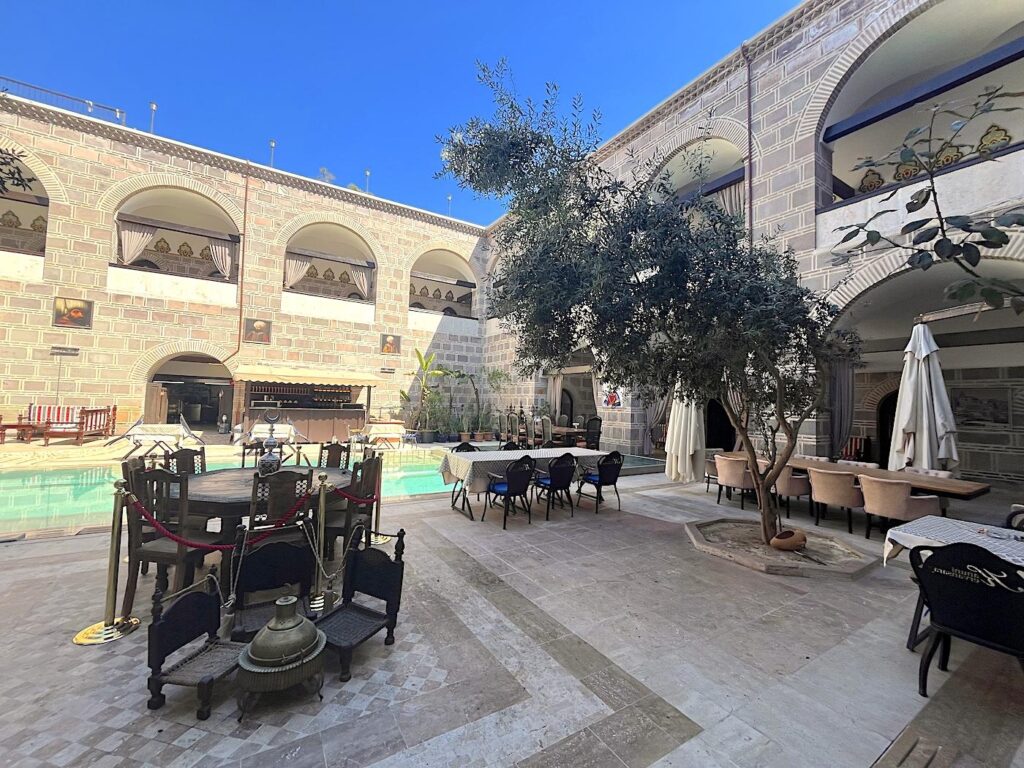
In practice, these formats often emerge organically, sometimes through private or family ownership, and in certain markets even through corporate-led initiatives where accommodation supply is initially absent. Despite differences in terminology, they perform a similar function within the accommodation landscape, bridging informal lodging and more structured hospitality. At the same time, challenges such as infrastructure limitations, regulatory complexity, and economic volatility can affect development and performance. However, growing tourism demand, rising interest in authentic, experience-led travel, and the availability of culturally significant buildings create strong potential for inn-like developments. As markets mature, these formats often evolve into more formalised boutique or small hotel products while retaining their original character.
| Region | Local Terminology | Description | Notes |
|---|---|---|---|
| North Africa | Riad / Dar | Traditional courtyard houses converted into accommodation | Strong architectural identity and cultural immersion |
| Middle East & Central Asia | Caravanserai | Historic roadside inns along trade routes, some restored | Early prototype of the inn concept |
| Latin America | Hacienda / Posada / Estancia | Estate houses or small inns rooted in colonial or rural traditions | Range from rustic to high-end |
| South Asia | Haveli / Heritage Bungalow | Former palaces or colonial residences adapted for lodging | Strong heritage and storytelling element |
| Southeast Asia | Shophouse Hotels / Heritage Villas | Converted urban or rural traditional buildings | Often design-led and boutique in execution |
| Eastern Europe & Balkans | Pensiune / Penzion | Small, family-run lodging rooted in local traditions | Closest functional equivalent to inns |
Rural & Experiential Accommodation
Rural and experiential accommodation reflects the growing demand for nature-based, immersive, and experience-led travel. These models are typically located outside urban centres, often in environmentally or culturally significant settings, and are designed to connect guests with their surroundings rather than isolate them within a standardised built environment. This category includes eco-lodges, glamping and campsites, and farm stays, each offering a different balance between comfort, authenticity, and environmental integration. Collectively, they respond to broader shifts in traveller preferences towards sustainability, wellness, and experiential value.
In development terms, these assets are often defined less by built form and more by land use, location, and concept positioning. They can offer lower-density development opportunities and strong differentiation potential, but they also introduce challenges related to infrastructure, seasonality, and regulatory constraints. The following sections examine how eco-lodges integrate sustainability into both design and operations, how glamping and campsites create scalable yet flexible models of outdoor hospitality, and how farm stays combine tourism with agricultural use to diversify income and enhance rural economies.
Eco-lodges
Positioning of Eco-Lodges
Eco-lodges are small-scale, environmentally focused accommodation assets designed to minimise environmental impact while offering immersive, nature-based guest experiences. They are positioned around sustainability, conservation, and integration with the surrounding environment, often incorporating principles such as low-impact construction, renewable energy use, and support for local communities. Unlike conventional hotels, eco-lodges prioritise environmental stewardship alongside guest experience, appealing to travellers who value responsible tourism and authentic engagement with nature.
Typically located in remote or environmentally sensitive areas, such as forests, mountains, coastal zones, or wildlife reserves, eco-lodges are closely tied to their natural setting. Their positioning aligns closely with the growth of ecotourism and experiential travel, attracting environmentally conscious guests as well as those seeking unique, off-grid, or nature-driven experiences. Increasingly, eco-lodges also span a range of positioning from rustic, low-impact accommodation to high-end eco-luxury concepts.
Characteristics of Eco-Lodges
Eco-lodges are defined by their environmental integration, sustainable design approach, and nature-led guest experience.
| Element | Description | Typical Range | Notes |
|---|---|---|---|
| Scale | Small, low-density developments | Typically 5–50 units/keys | Designed to minimise environmental footprint |
| Location | Remote or environmentally sensitive areas | Forests, mountains, coastlines, reserves | Access and infrastructure can be challenging |
| Design & Construction | Sustainable, low-impact building methods | Local materials, renewable systems | Often incorporates passive design principles |
| Environmental Approach | Focus on conservation and sustainability | Renewable energy, water management, waste systems | Core part of the concept and branding |
| Guest Experience | Nature-led, immersive stays | Wildlife, outdoor activities, cultural engagement | Experience is tied to location |
| Community Integration | Engagement with local communities | Employment, sourcing, cultural exchange | Enhances authenticity and sustainability credentials |
| Market Positioning | Niche to premium experiential segment | Eco-tourism to eco-luxury | Guests often willing to pay a premium |
Eco-Lodge Development and Commercial Dynamics
Eco-lodges benefit from strong alignment with global trends in sustainable tourism and experiential travel. Demand for environmentally responsible accommodation continues to grow, particularly among international travellers and younger demographics. Developers can differentiate through concept, location, and sustainability credentials, creating niche positioning that supports premium pricing. In some markets, government incentives, grants, or tax benefits may also support eco-friendly development initiatives.
However, development complexity can be significant. Eco-friendly construction methods, sustainable materials, and off-grid systems often result in higher upfront capital costs. Remote locations can introduce logistical challenges, requiring the establishment of independent infrastructure for energy, water, and waste management. While operational costs may be lower over time due to energy efficiency and resource management, the initial investment and technical requirements can be substantial. In addition, eco-lodges often appeal to a relatively specialised market segment, which can limit demand in certain locations.
| Opportunity | Challenge |
|---|---|
| Strong alignment with growing eco-tourism demand | Higher upfront development costs for sustainable construction |
| Premium pricing potential for unique, nature-based experiences | Remote locations increase logistical complexity |
| Opportunity for government incentives and sustainability support | Need to establish independent infrastructure systems |
| Long-term operational savings through energy efficiency | Niche market appeal may limit demand |
| Differentiation through sustainability and concept | Balancing sustainability with guest comfort expectations |
Eco-Lodge Operational Profile and Revenue Model
Eco-lodges typically operate with a lean, flexible organisational structure, often reflecting their remote locations and low-density layouts. Staffing levels are generally modest, with an emphasis on multi-skilled teams and, where possible, strong local employment. Operations often integrate sustainability practices into daily activities, including energy management, waste reduction, and responsible sourcing.
Revenue is primarily driven by room rates, which can be positioned at a premium level where the experience is sufficiently unique or exclusive. Additional revenue streams may include guided activities, wellness offerings, cultural experiences, and food-and-beverage services that reflect local sourcing and sustainability principles. However, overall revenue diversification may be limited by scale and location, and financial performance is closely linked to occupancy levels and accessibility.
Eco-Lodge Design and Guest Experience Considerations
Design is central to the eco-lodge concept, with a strong emphasis on integration with the natural environment. Buildings are often designed to minimise visual and environmental impact, using local materials, traditional construction techniques, and passive design strategies. The goal is to create a seamless relationship between built form and landscape, enhancing both sustainability and guest experience.
The guest experience is shaped by immersion in nature, with accommodation serving as a base for exploration rather than the primary attraction. Outdoor spaces, views, and interaction with the environment are key components, while interiors prioritise comfort within a sustainable framework. Balancing authenticity, environmental responsibility, and modern guest expectations, particularly in areas such as comfort, connectivity, and service, is a critical design and operational consideration.
Eco-Lodge Emerging Market Perspective
In emerging markets, eco-lodges offer significant potential to leverage natural assets, biodiversity, and cultural richness, often in locations where conventional hotel development may not be appropriate or feasible. Their relatively low-density footprint and alignment with sustainable tourism objectives make them particularly relevant in environmentally sensitive areas. In some cases, government support for eco-tourism initiatives can further enhance the viability of development.
At the same time, challenges such as infrastructure limitations, access constraints, and regulatory complexity can affect both development and operations. Establishing reliable utilities and maintaining service standards in remote environments requires careful planning and investment. However, growing global demand for sustainable travel, combined with increasing awareness of environmental issues, creates strong long-term potential. Well-executed eco-lodges can deliver both financial returns and positive environmental and social impact, positioning them as an important component of the evolving hospitality landscape.
| Lodge | Location | No. of Units / Keys | Description / Eco-Lodge Type & Notes |
|---|---|---|---|
| Mashpi Lodge | Ecuador (Chocó Cloud Forest) | 22 keys | Cloud forest / jungle eco-lodge set within a private 7,400-acre reserve; combines scientific research, biodiversity conservation, and high-end design with strong environmental integration |
| Lapa Rios Lodge | Costa Rica (Osa Peninsula) | 17 bungalows | Coastal rainforest eco-lodge located within a protected tropical forest near the Pacific Ocean; strong focus on wildlife conservation, low-impact construction, and community engagement |
| &Beyond Mnemba Island | Zanzibar, Tanzania | 12 bandas (units) | Marine / island eco-lodge with ultra-low-density beachfront accommodation; focuses on marine conservation, coral reef protection, and sustainable island operations |
| Feynan Ecolodge | Dana Biosphere Reserve, Jordan | 26 rooms | Desert eco-lodge operating fully on solar power; integrates Bedouin culture, off-grid systems, and low-impact architecture within a protected natural reserve |
| Gangtey Lodge | Bhutan (Phobjikha Valley) | 12 suites | Mountain eco-lodge located in a Himalayan valley; combines cultural preservation, traditional architecture, and low-impact tourism within a sensitive ecological setting |
Glamping & Campsites
Positioning of Glamping & Campsites
Glamping and traditional campsites represent outdoor accommodation models centred on nature-based experiences, with varying levels of comfort and service. While campsites provide basic facilities for self-sufficient outdoor stays, glamping, combining “glamorous” and “camping”, offers a more curated and comfortable alternative, with pre-installed accommodation units and enhanced amenities. Both formats are typically located in natural environments such as forests, mountains, deserts, coastlines, or protected landscapes, where the surrounding setting is a primary driver of demand.
These accommodation types appeal to different but overlapping market segments. Campsites attract budget-conscious travellers, families, and outdoor enthusiasts seeking simplicity and flexibility, while glamping targets guests who want to experience nature without sacrificing comfort, design, or service. Together, they form a broad and adaptable segment within experiential hospitality, responding to increasing demand for outdoor, sustainable, and experience-led travel.
Characteristics of Glamping & Campsites
Glamping and campsites are defined by their relationship with the natural environment, level of guest comfort, and degree of operational structure.
| Element | Description | Typical Range | Notes |
|---|---|---|---|
| Accommodation Type | Pre-set units (glamping) vs self-pitched setups (campsites) | Tents, domes, cabins vs tent/RV pitches | Clear distinction in guest experience |
| Level of Comfort | Glamping offers high comfort; campsites are basic | From minimal to luxury | Key differentiator between formats |
| Facilities | Private amenities (glamping) vs shared (campsites) | En-suite, climate control vs communal restrooms | Drives pricing and target market |
| Location | Nature-based, often remote or scenic areas | Forests, mountains, coasts, deserts | Location is central to appeal |
| Guest Experience | Curated vs self-directed | Activities, wellness, dining vs independent stays | Glamping more experience-led |
| Infrastructure | Light-touch development | Modular units, temporary structures | Lower impact than hotels |
| Market Positioning | Budget to premium experiential accommodation | Campsites to eco-luxury glamping | Wide spectrum of positioning |
Glamping & Campsite Development and Commercial Dynamics
Glamping and campsite developments benefit from strong alignment with current travel trends, particularly the growing demand for outdoor experiences and sustainable tourism. Compared to traditional hotels, these formats typically require lower upfront capital investment due to minimal construction and the use of modular or prefabricated units. This allows developers to enter the market with reduced risk and scale operations incrementally as demand grows.
Glamping, in particular, offers attractive commercial potential, as it can command premium pricing through unique design, comfort, and curated experiences, while still benefiting from relatively low development costs. Additional revenue streams may include food and beverage, guided activities, wellness programmes, and event-based offerings. However, both glamping and campsites face operational challenges related to seasonality, infrastructure requirements, and environmental constraints. Remote locations often require investment in independent utilities, and regulatory approvals in protected areas can be complex and time-consuming.
| Opportunity | Challenge |
|---|---|
| Lower capital investment compared to traditional hotels | Strong seasonality affecting occupancy and revenue |
| Premium pricing potential in glamping segment | Infrastructure challenges in remote locations |
| Flexibility to scale development incrementally | Regulatory restrictions in natural or protected areas |
| Strong alignment with sustainability and eco-tourism trends | Exposure to weather and environmental conditions |
| Additional revenue through activities and experiences | Maintenance of units and environmental management |
Glamping & Campsite Operational Profile and Revenue Model
Operational models vary significantly between campsites and glamping. Campsites typically operate with minimal staffing and infrastructure, relying on guests to provide their own equipment and manage their stay. This results in lower operating costs but also lower revenue per guest. Glamping operations, by contrast, require a more structured approach, with pre-installed accommodation, housekeeping, and often additional services such as food and beverage or guided experiences.
Revenue models reflect this distinction. Campsites rely on volume and affordability, with income generated from pitch fees and basic services. Glamping, however, is more rate-driven, with higher average daily rates supported by enhanced comfort, design, and experience offerings. Both models can benefit from ancillary revenue streams, but performance is closely linked to occupancy levels, seasonality, and the attractiveness of the location.
Glamping & Campsite Design and Guest Experience Considerations
Design in glamping and campsite developments focuses on integration with the natural environment while balancing guest comfort and operational practicality. Glamping units are often designed as distinctive, visually appealing structures, such as safari tents, yurts, treehouses, or domes, that enhance the overall experience and contribute to marketability. Campsites, by contrast, prioritise functional layouts, accessibility, and efficient land use.
The guest experience is shaped by the surrounding environment and the level of service provided. Glamping emphasises curated, memorable stays, often incorporating wellness, dining, or adventure elements. Campsites offer a more independent and flexible experience, appealing to guests who value simplicity and direct engagement with nature. Maintaining environmental integrity while accommodating guest expectations is a critical factor in both formats.
Glamping & Campsite Emerging Market Perspective
In emerging markets, glamping and campsite developments offer significant opportunities to leverage natural landscapes and growing interest in eco-tourism. Their relatively low capital requirements and flexible development approach make them well suited to markets where traditional hotel development may be constrained. In some cases, these formats can also provide a practical entry into locations with restrictive planning or environmental regulations, as their low-impact and non-permanent structures may be permitted in areas where fixed construction is limited, such as coastal setback zones or protected landscapes. They can also support community-based tourism and provide economic opportunities in rural or environmentally sensitive areas.
At the same time, challenges such as infrastructure limitations, regulatory complexity, and seasonal demand patterns must be carefully managed. Access to utilities, transportation, and skilled labour can impact both development and operations. However, increasing domestic tourism, rising international interest, and government support for sustainable tourism initiatives create strong potential for growth. Well-executed glamping and campsite projects can deliver both financial returns and meaningful, experience-driven value within the hospitality sector.
Farm Stays
Positioning of Farm Stays
Farm stays are accommodation formats integrated within working farms or rural properties, combining hospitality with agriculture and experiential tourism. They are positioned around authenticity, rural lifestyle immersion, and direct engagement with food production and land use. Unlike traditional hotels, farm stays derive much of their value from their operational context, where agriculture is not just a backdrop but a central component of the guest experience.
These properties appeal to travellers seeking a slower-paced, nature-based escape from urban environments, often with an educational or experiential dimension. Farm stays cater to a broad demographic, including families, eco-tourists, and wellness-focused travellers, and can range from simple, rustic accommodation to high-end rural retreats. Their positioning aligns strongly with trends in sustainable tourism, local sourcing, and experiential travel.
Characteristics of Farm Stays
Farm stays are defined by their integration with agricultural activity, rural setting, and experiential guest offering.
| Element | Description | Typical Range | Notes |
|---|---|---|---|
| Setting | Located on working farms or rural estates | Rural or semi-rural locations | Agriculture is core to the concept |
| Accommodation Type | Converted or purpose-built rural structures | Farmhouses, barns, cottages, cabins | Range from rustic to luxury |
| Guest Experience | Hands-on and observational farm activities | Animal care, harvesting, workshops | Key differentiator vs other rural stays |
| Food & Beverage | Farm-to-table or locally sourced cuisine | On-site production or local sourcing | Strong experiential and branding element |
| Scale | Small to medium-scale operations | Typically 3–20 units | Often limited by farm size and operations |
| Operational Integration | Combined farming and hospitality model | Owner-operated or family-run | Requires balance between functions |
| Market Positioning | Experiential, eco-tourism, family-focused | Midscale to premium rural segment | Can extend into wellness or education |
Farm Stay Development and Commercial Dynamics
Farm stays offer a compelling opportunity for landowners and developers to diversify income streams by integrating tourism into agricultural operations. Existing buildings, such as barns or farmhouses, can often be repurposed for accommodation, reducing initial capital requirements. The model allows for phased development, enabling operators to scale gradually in line with demand. In addition, farm stays benefit from strong alignment with trends in sustainability, local food production, and experiential travel, supporting both occupancy and pricing potential.
However, the business’s dual nature introduces complexity. Balancing agricultural operations with hospitality requires careful planning and resource allocation, particularly during peak farming periods. Infrastructure limitations in rural areas may require additional investment in utilities and access. Revenue can also be seasonal, linked to harvest cycles or holiday periods, requiring operators to develop supplementary activities or events to maintain year-round performance.
| Opportunity | Challenge |
|---|---|
| Diversification of farm income through tourism | Balancing farming and hospitality operations |
| Lower capital costs through adaptive reuse of buildings | Infrastructure limitations in rural locations |
| Strong alignment with sustainability and local food trends | Seasonality affecting occupancy and revenue |
| Opportunity for experiential and educational offerings | Regulatory complexity (zoning, food safety, tourism use) |
| Potential for phased and scalable development | Marketing and visibility challenges in remote areas |
Farm Stay Operational Profile and Revenue Model
Farm stays typically operate on a small scale with a hands-on management approach, often led by owners or family members. Staffing requirements are relatively low, but operational demands can be high due to the combination of farming and guest services. The operational model must accommodate both agricultural cycles and guest expectations, potentially creating periods of peak intensity.
Revenue is primarily driven by accommodation, but additional income streams can play a significant role. These may include farm tours, workshops, food and beverage experiences, direct product sales, and wellness or educational programmes. The ability to monetise multiple aspects of the farm environment enhances overall revenue potential, although performance remains sensitive to seasonality and occupancy levels.
Farm Stay Design and Guest Experience Considerations
Design in farm stays focuses on authenticity, functionality, and integration with the rural setting. Adaptive reuse of existing structures is common, preserving the character of barns, farmhouses, or agricultural buildings while upgrading them to meet guest expectations. New-build elements, where introduced, are typically designed to complement the landscape and existing farm architecture.
The guest experience is centred on interaction with the farm environment, whether through active participation or passive observation. Activities such as feeding animals, harvesting crops, or participating in cooking experiences contribute to a distinctive and memorable stay. At the same time, there is an increasing expectation of comfort, including private bathrooms, quality bedding, and connectivity, which requires a careful balance between authenticity and modern standards.
Farm Stay Emerging Market Perspective
In emerging markets, farm stays offer a practical and accessible model for rural tourism development, particularly in regions with strong agricultural traditions and natural assets. Their relatively low capital requirements and ability to utilise existing farm infrastructure make them well suited to markets where large-scale hotel development may be limited. They can also support local economies by creating additional income streams for farmers and encouraging community-based tourism linked to cultural and agricultural heritage.
At the same time, challenges such as infrastructure gaps, regulatory complexity, and limited market awareness can affect development and performance. Access, utilities, and service consistency may require additional investment, while balancing farming operations with hospitality can be particularly demanding in less mature markets. However, growing domestic tourism, increasing international interest in authentic experiences, and alignment with sustainability trends create strong potential for farm stays to become an important component of the rural hospitality landscape.
Hybrid Residential–Hospitality
Hybrid residential–hospitality models occupy a critical and growing space between traditional hotels and residential real estate. These assets combine elements of both sectors, offering accommodation that is designed for longer stays, greater self-sufficiency, and a more residential-style guest experience, while still incorporating selected hospitality services. Serviced apartments are the primary example within this category, but the model also extends to related formats such as co-living and branded residential products. This segment reflects structural changes in how people travel, work, and live, particularly with the rise of extended stays, remote working, and global mobility.
From a development and investment perspective, hybrid models introduce a different set of dynamics compared to traditional hotels. They often align more closely with residential development frameworks, with alternative ownership structures, longer average lengths of stay, and lower operational intensity. At the same time, they benefit from the revenue potential and flexibility associated with hospitality use. The following section focuses on serviced apartments as the core product type, examining their operational models, demand drivers, and positioning within both the hospitality and real estate investment landscape.
Serviced Apartments
Positioning of Serviced Apartments
Serviced apartments are fully furnished residential-style accommodation units designed for medium- to long-term stays, combining the comfort of a home environment with selected hotel-like services. They are positioned at the intersection of residential real estate and hospitality, offering flexibility for guests who require longer stays but still value convenience, security, and operational support.
They primarily target corporate travellers, expatriates, relocating professionals, and families, though they can also accommodate short-term stays when available. Their positioning is defined by self-sufficiency, with features such as kitchens, living areas, and laundry facilities that distinguish them from traditional hotels. Compared to all-suite hotels, serviced apartments place greater emphasis on extended stays and reduced service intensity, while maintaining optional hospitality elements such as housekeeping and concierge services.
Characteristics of Serviced Apartments
Serviced apartments are defined by their residential functionality, extended-stay orientation, and hybrid operational model.
| Element | Description | Typical Range | Notes |
|---|---|---|---|
| Length of Stay | Medium- to long-term stays with flexible booking | Days to months | Discounts for extended stays are common |
| Unit Configuration | Fully furnished apartments with residential features | Studios to multi-bedroom units | Designed for self-sufficient living |
| Facilities | In-unit kitchens, living areas, laundry | Additional shared amenities (gym, reception) | Limited public spaces compared to hotels |
| Service Level | Limited to moderate hotel-style services | Housekeeping, concierge (optional) | Less intensive than full-service hotels |
| Location | Urban centres, business districts, transport hubs | City-focused developments | Proximity to commercial activity is key |
| Operational Model | Hybrid residential and hospitality structure | Centralised management | Can operate as rental or hotel-like inventory |
| Market Positioning | Extended-stay and corporate housing segment | Midscale to upscale | Positioned between hotels and residential |
Serviced Apartment Development and Commercial Dynamics
Serviced apartments benefit from strong demand drivers linked to global mobility, corporate travel, and longer-term relocations. Their hybrid nature allows developers to generate higher yields than traditional residential assets, while also benefiting from more stable occupancy due to longer average lengths of stay. The ability to combine long-term and short-term bookings provides flexibility in revenue management, balancing occupancy stability with rate optimisation.
From a development perspective, serviced apartments can be delivered through new-build projects or the conversion of residential or commercial properties, often with lower requirements for extensive public areas than hotels. Operationally, they are more efficient than full-service hotels, requiring fewer staff and lower day-to-day service intensity. However, regulatory complexity can be a significant challenge, as serviced apartments often sit between residential and hospitality classifications and may require compliance with both frameworks. Upfront investment in durable fixtures, fittings, and systems is also critical for supporting longer guest stays and reducing lifecycle costs.
| Opportunity | Challenge |
|---|---|
| Strong demand from corporate, relocation, and long-stay segments | Regulatory complexity across residential and hospitality classifications |
| Higher yield potential than traditional residential assets | Competition from hotels, rental platforms, and residential leasing |
| Flexible revenue model (short- and long-term stays) | Managing mixed guest profiles with different expectations |
| Lower operational costs compared to full-service hotels | High upfront investment in durable fit-out and infrastructure |
| Resilience during downturns due to long-stay demand | Zoning restrictions in urban residential areas |
Serviced apartments are increasingly influenced by international branding, with major hotel operators and specialised extended-stay platforms expanding into the segment. Brands such as Marriott Executive Apartments (Marriott International), Residence Inn (Marriott International), Staybridge Suites (InterContinental Hotels Group), and Adagio (a joint venture between Accor and Pierre & Vacances) illustrate the range of branded extended-stay models. In parallel, specialist operators such as The Ascott Limited (with brands including Citadines, Somerset, and Ascott) have developed global platforms focused specifically on serviced residences.
These brands provide developers with distribution strength, loyalty programmes, operational systems, and corporate contracting capabilities, which can enhance occupancy and pricing performance. However, branding also introduces additional costs, design standards, and operational requirements, and developers must carefully assess whether the benefits of affiliation outweigh the flexibility and cost advantages of operating independently.
Global Serviced Apartment & Extended-Stay Brands
| Brand | Operator / Group | Segment Positioning | Key Features / Notes |
|---|---|---|---|
| Marriott Executive Apartments | Marriott International | Upper-upscale | Focus on long-stay corporate and expatriate demand; strong alignment with global corporate accounts and Marriott Bonvoy ecosystem |
| Residence Inn | Marriott International | Upper-midscale | Extended-stay hotel model with strong operational standardisation; primarily US-driven but expanding internationally |
| Staybridge Suites | InterContinental Hotels Group (IHG) | Upper-midscale | Suite-based extended-stay product; well suited to project-based corporate demand and secondary markets |
| Adagio | Accor | Upper-midscale to upscale | Hybrid aparthotel/serviced apartment model; strong European presence with flexible stay formats and multiple product tiers |
| Citadines | The Ascott Limited | Upper-midscale to upscale | Urban-focused serviced apartments; flexible stay model appealing to both short- and long-term guests |
| Somerset | The Ascott Limited | Upscale | Larger-format serviced residences; strong positioning for families, expatriates, and long-stay corporate guests |
| Ascott The Residence | The Ascott Limited | Luxury | High-end serviced apartment product with strong residential feel; typically located in prime CBD and gateway cities |
Serviced Apartment Operational Profile and Revenue Model
Serviced apartments operate with a leaner structure than traditional hotels, focusing on efficiency and longer guest stays. Staffing levels are typically lower, with reduced housekeeping frequency and limited food-and-beverage operations. Centralised management systems are essential to handle reservations, billing, and guest services across varying lengths of stay.
Revenue is driven by a combination of long-term occupancy and shorter-term bookings. Extended stays provide a stable base income and reduce turnover costs, while shorter stays can enhance overall yield through higher nightly rates. Corporate contracts and relocation agreements often form a key component of the demand base, providing predictable occupancy. Additional revenue streams may include ancillary services such as cleaning, parking, or facility access, although these are typically secondary to accommodation income.
Serviced Apartment Design and Guest Experience Considerations
Design priorities for serviced apartments focus on functionality, durability, and comfort for extended stays. Units must accommodate everyday living, with well-designed kitchens, storage, workspaces, and living areas. Materials and finishes are typically selected for longevity, given the longer occupancy periods and reduced turnover compared to hotels.
The guest experience is centred on independence and convenience rather than full-service hospitality. While some guests may require hotel-like services, many prioritise privacy, flexibility, and a residential feel. At the same time, maintaining a consistent standard of quality across units is essential, particularly where developments include individually owned units within a managed rental pool. Balancing residential comfort with operational efficiency is a key design and management consideration.
Serviced Apartment Emerging Market Perspective
In emerging markets, serviced apartments offer a highly relevant accommodation solution, particularly in cities experiencing economic growth, foreign investment, and increasing corporate activity. Their hybrid model makes them well suited to markets where traditional hotel supply may not fully meet the needs of long-stay business travellers, expatriates, or project-based personnel. They can also provide a practical alternative to residential leasing, offering flexibility, security, and ease of management.
At the same time, challenges such as regulatory ambiguity, infrastructure limitations, and market maturity can affect development and operations. Classification between residential and hospitality use may be unclear or inconsistently applied, requiring careful navigation. However, growing urbanisation, increased international mobility, and rising demand for flexible living solutions create strong long-term potential. Well-positioned serviced apartment developments can become a key component of the urban accommodation mix, bridging the gap between hotels and residential real estate.
Budget Accommodation
Budget accommodation encompasses a range of lodging types designed to deliver affordable, functional, and efficient stays, typically with limited services and a strong focus on cost control. This category includes hostels, motels, and capsule hotels, each targeting different segments of price-sensitive travellers while sharing a common emphasis on simplicity and accessibility. Unlike small-scale lifestyle properties or hybrid residential models, budget accommodation is often driven by volume, operational efficiency, and standardised delivery rather than differentiation through design or experience.
In development terms, these assets are characterised by lower capital expenditure, simplified construction, and lean staffing models, making them attractive in markets with strong demand for affordable accommodation. However, they are also highly sensitive to location, reputation, and occupancy levels, as profitability often depends on maintaining consistent volume. The following sections explore how hostels leverage social interaction and shared spaces, how motels cater to road-based travel and convenience, and how capsule hotels maximise space efficiency in dense urban environments.
Hostels
Positioning of Hostels
Hostels are a form of accommodation that combine shared sleeping arrangements, private rooms, and communal facilities, typically positioned within the budget-to-upper-midscale segment of the hospitality market. While traditionally associated with youth travel and low-cost lodging, the sector has evolved significantly, with many modern hostels incorporating design-led interiors, private en-suite rooms, and a broader range of amenities. This evolution has positioned hostels as a hybrid between budget accommodation and lifestyle hospitality.
The defining characteristic of hostels is their social and communal environment, rather than their price point alone. Unlike hotels, where the guest experience is largely private and room-focused, hostels are structured around interaction, with public spaces such as lounges, bars, kitchens, and event areas forming the core of the product. This reflects changing traveller expectations, particularly among younger and experience-driven segments who prioritise connection, atmosphere, and local immersion.
Characteristics of Hostels
Hostels are characterised by high-density accommodation, flexible layouts, and a strong emphasis on the communal experience.
| Element | Description | Typical Range | Notes |
|---|---|---|---|
| Accommodation Type | Dormitory beds and private rooms | 4–8 bed dorms; private en-suite rooms | Hybrid mix increasingly standard |
| Density | High bed count per room and per sqm | 10–25 sqm per bed (gross) | Drives revenue per sqm |
| Public Spaces | Social and revenue-generating areas | Bars, lounges, kitchens, co-working | Core to concept, not ancillary |
| Guest Profile | Social, budget to experience-driven travellers | Youth, backpackers, groups, digital nomads | Broadening to couples and families |
| Location | Urban centres, transport hubs, tourist areas | Gateway cities and lifestyle destinations | Accessibility is critical |
| Service Level | Limited services with strong social programming | Events, tours, F&B | Less formal than hotels |
| Market Positioning | Budget to lifestyle hybrid | Increasing overlap with lifestyle hotels | Design-led hostels moving upscale |
Hostel Development and Commercial Dynamics
Hostels present a distinct development proposition driven by flexibility, density, and adaptive reuse potential. Unlike hotels, they can be developed within irregular building structures, such as older offices, schools, or heritage properties, thanks to their flexible room configurations. This expands the range of viable real estate opportunities, particularly in dense urban environments where conventional hotel layouts may not be feasible.
From a commercial perspective, hostels benefit from higher revenue density per square metre due to dormitory formats, while also generating significant ancillary income through food and beverage, events, and social programming. In well-performing assets, these additional revenue streams can represent a substantial share of total income. At the same time, the sector has historically been fragmented, but the emergence of branded and hybrid hostel models has improved scalability, operational consistency, and appeal to institutional investors.
| Opportunity | Challenge |
|---|---|
| High revenue density through dormitory formats | Strong reliance on occupancy levels (volume-driven model) |
| Adaptive reuse potential reduces development constraints | Perception of lower quality can affect positioning |
| Strong ancillary revenue from F&B and events | Managing shared spaces and guest behaviour |
| Alignment with experiential travel trends | Price-sensitive customer base |
| Growing institutional interest in branded hostels | Regulatory differences vs hotels (density, safety, use class) |
Hostel Operational Profile and Revenue Model
Hostels operate with a unique balance between informal guest experience and structured operational systems. While service levels are lower than in hotels, the complexity of managing high-density accommodation and active public spaces requires careful planning and efficient staffing. Operations are centred not only on accommodation but also on programming, events, and food and beverage, which play a key role in both guest experience and revenue generation.
Revenue is driven by a combination of bed sales and ancillary income. While accommodation rates are lower than hotels on a per-unit basis, the higher bed density enables strong revenue per square metre. Additional spending on food, beverages, and activities is a defining feature of the hostel model, with guests often allocating more of their budgets to experiences than to accommodation itself.
Hostel Design and Guest Experience Considerations
Design in hostels focuses on balancing density, comfort, and social interaction, and often falls within the most vibrant, experimental, and design-forward segments of the accommodation industry. Dormitory layouts are increasingly refined, incorporating elements such as privacy pods, individual lighting, storage, and improved acoustic separation to enhance the sleeping experience. Private rooms are now a standard component, broadening the appeal to a wider range of guests. Many of these design innovations have influenced other accommodation types, particularly boutique and lifestyle hotels.
Public spaces are central to the design and commercial model, often including bars, cafés, co-working areas, and event spaces. These areas are designed not only to encourage interaction but also to generate revenue and extend guest dwell time. Increasingly, hostels adopt a strong identity through local design elements, art, and community integration, reinforcing their positioning as experience-led accommodation, with concepts and atmospheres that have been widely adopted across other hospitality segments.
Hostel Emerging Market Perspective
In emerging markets, hostels can provide a highly adaptable and cost-effective entry point into the accommodation sector, particularly in urban and tourism-driven locations. Their flexibility in building configuration and lower development costs make them well suited to markets where traditional hotel development may be constrained. They can also support the growth of experiential tourism and younger traveller segments, particularly in destinations seeking to diversify their visitor base.
At the same time, challenges such as infrastructure limitations, regulatory complexity, and cultural perceptions of shared accommodation can affect development and performance. In some markets, hostels may face classification issues due to higher occupancy density and shared facilities. However, the growing demand for affordable, experience-led travel, combined with the emergence of branded and hybrid hostel models, creates strong long-term potential. Well-positioned hostels can play an important role in expanding the accommodation mix, particularly in gateway cities and developing tourism destinations.
Branded Hostels and Hybrid Models
The hostel sector has historically been dominated by independent operators, but the emergence of branded and hybrid models has significantly improved scalability, operational consistency, and investment appeal. These brands combine standardisation, centralised distribution, and brand-driven guest experience with the social and flexible characteristics of traditional hostels, effectively bridging the gap between hostels, budget hotels, and lifestyle hospitality concepts.
In many cases, these operators have adopted hybrid positioning strategies, incorporating private rooms, enhanced design standards, and strong food-and-beverage or social programming components. This has allowed hostels to evolve beyond purely price-driven accommodation into experience-led products with broader market appeal. As a result, branded hostel platforms are increasingly recognised as a distinct and institutionalised segment within the wider accommodation landscape.
Selected Branded Hostel and Hybrid Operators
| Brand | Positioning & Concept | Geographic Presence | Scale & Notes |
|---|---|---|---|
| A&O Hostels | Large-scale hybrid hostel/hotel model combining dorms and private rooms, with strong focus on affordability and group travel | Primarily Europe (Germany, CEE, Western Europe) | One of the largest hostel operators in Europe with 40+ properties; strong institutional backing and standardised model |
| Meininger Hotels | Hybrid concept blending hotel comfort with hostel flexibility, targeting families, groups, and individual travellers | Europe (major gateway cities) | 30+ properties; strong emphasis on structured operations and mixed guest segments |
| Generator Hostels | Design-led, lifestyle-oriented hostels with strong focus on social spaces, bars, and events | Europe and North America | 15+ properties; positioned closer to lifestyle hospitality with strong branding and interior design focus |
| Safestay | Premium hostel operator focused on centrally located properties, often in landmark or heritage buildings | Europe | 15+ properties; publicly listed platform with emphasis on prime real estate and asset value |
| Jo&Joe (Accor) | Lifestyle hybrid concept integrating hostel, hotel, and co-living elements with strong brand identity | Europe and selected international markets | Backed by Accor; positioned as an experience-driven, community-focused concept with global expansion potential |
Motels
Positioning of Motels
Motels, short for “motor hotels,” are a form of accommodation designed primarily for road-based travellers, positioned within the budget segment of the hospitality market. Their defining characteristic is convenience, offering direct access from parking to guest rooms, typically in roadside or suburban locations. Unlike hotels, which are often destination-oriented or centrally located, motels are transit-oriented, serving guests on short stays during journeys.
Historically associated with highway travel and automobile culture, motels remain closely linked to regions with strong car usage and intercity road networks. While traditionally considered basic, no-frills accommodations, motels continue to play an important role in providing accessible, affordable lodging, particularly in markets where road travel dominates, and alternative accommodation options may be limited.
Characteristics of Motels
| Element | Description | Typical Range | Notes |
|---|---|---|---|
| Location | Roadside, highway, suburban or transit-oriented locations | Highways, arterial roads, outskirts of cities | Visibility and access are critical |
| Access & Layout | Direct external access to rooms from parking areas | Linear or courtyard layouts | Key defining feature vs hotels |
| Scale | Small to mid-scale properties | 20–100 rooms | Often single or two-storey |
| Service Level | Limited service with minimal staffing | No F&B or limited breakfast offering | Operational simplicity |
| Amenities | Basic in-room facilities | Bed, bathroom, TV, Wi-Fi | Few shared facilities |
| Guest Profile | Transit and budget travellers | Road trippers, truck drivers, families | Short stay duration |
| Market Positioning | Budget accommodation | Price-driven segment | Competes with budget hotels and roadside lodging |
Motel Development and Commercial Dynamics
Motels offer a relatively straightforward and cost-efficient development model, characterised by simple building typologies, limited shared spaces, and lower technical requirements than hotels. Construction is typically based on repetitive room layouts, often in low-rise formats, which can be delivered efficiently and adapted to modular or phased development strategies. Land costs are also generally lower, as motels are located outside prime urban areas.
From a commercial perspective, motels rely heavily on location-driven demand, with proximity to highways, transport corridors, and travel routes being a primary success factor. While average daily rates are typically low, the model benefits from consistent demand in markets with strong domestic travel and logistics activity. Branded motel operators can provide additional advantages through distribution, brand recognition, and operational standardisation, improving overall performance and investor confidence.
| Opportunity | Challenge |
|---|---|
| Low development and construction costs | Low ADRs require high occupancy for profitability |
| Simple operations with minimal staffing | Perception issues around quality and safety |
| Strong demand in road-based travel markets | Location dependency limits viable sites |
| Modular and scalable development potential | Security risks due to external access layouts |
| Potential for brand affiliation and standardisation | Ongoing maintenance critical to reputation |
Branded Motel Platforms
Unlike many other accommodation types, the motel segment is relatively concentrated around a small number of large, primarily North American brands. The model itself is closely tied to highway travel, car dependency, and a need for predictable, standardised roadside accommodation. As a result, branding plays a critical role in the success of motels, as guest trust is often linked to familiarity with the product rather than the individual property.
In practical terms, this creates a structural barrier to entry for independent operators. Standalone motels without brand affiliation can be difficult to position, particularly in markets where the concept is not widely understood. Consequently, the motel sector has evolved around scalable, franchise-driven platforms capable of delivering consistency across large geographic networks. These brands also provide distribution, operational frameworks, and recognisable standards, all of which are essential in a price-sensitive, transit-driven segment. The following table outlines a selection of major motel brands and platforms, highlighting their ownership structures and geographic focus.
Selected Motel Brands and Platforms
| Brand | Parent Company | Core Markets | Notes |
|---|---|---|---|
| Motel 6 / Studio 6 | OYO | USA, Canada | Classic roadside motel platform (Motel 6) with extended-stay variant (Studio 6); strong brand recognition |
| Super 8 / Days Inn / Travelodge (US) | Wyndham Hotels & Resorts | USA, Canada, China (varies by brand) | Originally motel-oriented brands; now operate across both motel and budget hotel formats |
| Econo Lodge | Choice Hotels International | USA, Canada | Economy roadside lodging brand aligned with traditional motel format |
| Americas Best Value Inn | Red Lion Hotels Corporation | USA | Franchise-driven, economy segment with many roadside properties |
| Red Roof Inn | Red Roof | USA, Japan | Strong roadside presence in the US; limited international expansion |
The motel model itself is not widely replicated outside North America. Its success depends not only on physical design, but on established travel behaviour, brand recognition, and a clear understanding of the product among consumers. In markets where these conditions are not present, the motel format can be difficult to position, particularly as an independent operation. As a result, similar demand in many regions is typically absorbed by budget hotels, roadside lodges, or small-scale independent accommodations. These formats fulfil the same functional role for transit travellers, but without adopting the formal motel identity, reinforcing the idea that motels are a market-specific concept rather than a universally transferable accommodation type.
Motel Operational Profile and Revenue Model
Motels operate with a highly streamlined operational structure, focusing on essential services and efficient cost control. Staffing levels are low compared to hotels, with operations typically centred on front-desk management, housekeeping, and basic maintenance. The absence of extensive public areas, food and beverage outlets, or complex service offerings reduces both operational complexity and overhead costs.
Revenue is primarily derived from room sales, with limited ancillary income opportunities. As a result, the model is heavily volume-driven, requiring consistent occupancy to achieve sustainable performance. Short stay durations and high guest turnover are typical, particularly in transit-oriented locations. Brand affiliation can support occupancy levels through central reservation systems and recognition, but independent motels remain common in many markets.
Motel Design and Guest Experience Considerations
Design in motels is driven by functionality, efficiency, and ease of access rather than experiential or lifestyle positioning. Layouts typically prioritise direct external access to rooms, enabling convenient parking and quick check-in/check-out processes. This results in linear or courtyard-style configurations that maximise accessibility and operational simplicity.
Guest experience is focused on practicality, offering clean, comfortable, and reliable accommodation rather than extensive amenities. Increasingly, some motel operators are upgrading design standards, incorporating improved interiors, better lighting, and enhanced security measures to reposition the segment and address historical perceptions. However, the core design principle remains centred on convenience, durability, and cost efficiency.
Motel Emerging Market Perspective
In emerging markets, the motel model is not always readily transferable, as it relies heavily on established road-travel culture, brand recognition, and a clear consumer understanding of the product. Unlike hotels or guesthouses, motels are a highly specific concept tied to convenience, predictability, and trust, which typically comes from scale and brand familiarity. As a result, standalone independent motels can be difficult to position, as travellers may not immediately recognise or trust the format without an established brand framework.
For this reason, successful motel development in emerging markets is more likely to be driven by larger domestic operators or branded platforms capable of building scale and consistency across multiple locations. In many countries, the concept itself may require adaptation to local travel patterns, where long-distance road travel is less embedded or where accommodation expectations differ. While there may be opportunities linked to improving transport infrastructure and rising domestic mobility, the motel model often depends as much on cultural adoption and brand development as it does on physical location or cost efficiency.
Capsule Hotels
Positioning of Capsule Hotels
Capsule hotels are a highly space-efficient accommodation format positioned within the budget segment, designed primarily for short-stay, single-occupancy use in dense urban environments. Originating in Japan, they respond to the need for affordable, convenient lodging in locations where space constraints and land costs are significant. The concept prioritises functionality over comfort, offering a compact sleeping solution rather than a full-service hospitality experience.
Unlike hostels or budget hotels, capsule hotels occupy a distinct niche defined by their physical configuration and extreme space optimisation. They are particularly suited to transit-driven demand, such as business commuters, short-stay travellers, and overnight guests in major cities. Their positioning is therefore closely tied to high-density urban markets and locations with strong footfall and transport connectivity.
Characteristics of Capsule Hotels
| Element | Description | Typical Range | Notes |
|---|---|---|---|
| Unit Type | Enclosed sleeping pods (capsules) | Single occupancy (occasionally double) | Highly standardised units |
| Size Efficiency | Extremely compact sleeping space | 2–4 sqm per capsule | Maximises density per m² |
| Layout | Pods arranged in rows, often stacked | Multi-level configurations | High spatial efficiency |
| Facilities | Shared bathrooms, lockers, lounges | Minimal in-room amenities | Communal model |
| Service Level | Limited service with high automation | Self check-in, smart systems | Technology-driven operations |
| Guest Profile | Solo, budget, transit travellers | Business commuters, backpackers | Short stay focus |
| Location | High-density urban areas | Transport hubs, CBDs | Location-critical model |
Capsule Hotel Development and Commercial Dynamics
Capsule hotels are fundamentally driven by space optimisation and cost efficiency, making them particularly suited to markets where land values are high and demand for short-stay accommodation is concentrated. The ability to fit a large number of units within a relatively small footprint enables strong revenue per square metre, a fundamental advantage in dense urban environments. Construction costs are generally considerably lower than traditional hotels due to simplified unit design and shared facilities.
From a commercial perspective, the model benefits from relatively low operational complexity, with minimal staffing requirements and increasing integration of automation technologies such as self-check-in systems and smart access controls. However, the concept is highly dependent on achieving sufficient occupancy levels within a relatively narrow target market. Its viability is therefore closely linked to location quality, urban density, and consistent demand from short-stay or transit-oriented guests.
| Opportunity | Challenge |
|---|---|
| High revenue per m² through dense unit configuration | Limited appeal beyond solo travellers |
| Lower development and fit-out costs | Privacy and comfort constraints |
| Strong fit for dense urban and transit markets | Cultural acceptance varies by market |
| Operational efficiency and automation potential | High cleaning and maintenance standards required |
| Alignment with minimalist and tech-driven trends | Difficult to differentiate without added cost |
Capsule Hotel Operational Profile and Revenue Model
Operationally, capsule hotels are designed for efficiency, with simplified service offerings and a strong reliance on automation. Staffing requirements are minimal compared to traditional hotels, with operations focused on front desk support, housekeeping, and maintenance of shared facilities. High guest turnover is standard, requiring efficient cleaning processes and well-managed communal areas to maintain standards.
Revenue is almost entirely driven by occupancy of individual capsules, with limited ancillary income streams. Pricing is typically competitive within the budget segment, although premium capsule concepts in prime urban locations may command higher rates due to design, technology, or enhanced amenities. The model depends on consistent volume and is less resilient to demand fluctuations outside core urban or transit markets.
Capsule Hotel Design and Guest Experience Considerations
Design in capsule hotels is centred on maximising efficiency while maintaining a minimum acceptable level of comfort and privacy. Capsules are typically standardised units incorporating integrated lighting, power outlets, ventilation, and sometimes entertainment systems. Increasingly, design improvements focus on enhancing user experience through better materials, acoustic control, and improved pod ergonomics.
Public and shared spaces play an important role in compensating for the limited private area, including lounges, co-working areas, and well-designed bathroom facilities. In more advanced concepts, technology integration and contemporary design are used to elevate the experience and differentiate the product. However, the balance between density and comfort remains critical, as overly compact or poorly designed environments can negatively impact guest perception.
Capsule Hotel Emerging Market Perspective
In emerging markets, capsule hotels represent a highly specific and culturally influenced concept that may not be universally transferable. While they can offer an efficient solution in dense urban centres with high land costs and strong short-stay demand, their success depends on local acceptance of compact living formats and shared facilities. In markets where personal space expectations are higher, or where the concept is unfamiliar, adoption may be limited.
As a result, capsule hotels are most likely to succeed in major gateway cities or transit hubs where demand for affordable, short-duration accommodation is well established. In other contexts, similar demand may be better served by hostels or budget hotels, which offer greater flexibility and broader appeal. This reinforces the idea that capsule hotels are a niche, location-specific model rather than a universally scalable accommodation type.
xxx
Homestays & Vacation Rentals & Homestays
Vacation rentals and homestays represent a fundamentally different model of accommodation, based on the use of privately owned residential properties for short-term stays. Unlike traditional hospitality assets, which are typically developed and operated as single, unified properties, this category consists of distributed units aggregated through digital platforms. Vacation rentals generally offer entire homes or apartments for exclusive use, while homestays involve shared living arrangements with local hosts, often providing a more culturally immersive experience. Together, they have reshaped the accommodation landscape by introducing flexibility, variety, and direct access to local environments.
From a development and market perspective, this segment operates with a distinct set of dynamics, driven by platform distribution, fragmented ownership, and evolving regulatory frameworks. Increasingly, the sector also includes professionally managed rental portfolios, where operators manage multiple units at scale, bringing greater consistency and operational structure to what was historically an informal market. The following section examines these models in detail, including their demand drivers, operational challenges, regulatory considerations, and their broader impact on urban housing markets and traditional hotel supply.
Private and Host-Led Rentals
Positioning of Private and Host-Led Rentals
Private and host-led rentals represent the original form of short-term rental accommodation, where individual property owners offer rooms or entire homes to guests on a short-stay basis. This includes both homestays, where guests share a property with the host, and independent vacation rentals, where guests occupy a private unit. These models are typically informal, flexible, and highly dependent on the individual host.
Positioned within the budget-to-midscale segments, these accommodations appeal to travellers seeking affordability, authenticity, and local immersion. Platforms such as Airbnb and Vrbo have significantly expanded the reach of this model, enabling individual hosts to access global demand with relatively low barriers to entry.
Characteristics of Private and Host-Led Rentals
| Element | Description | Typical Range | Notes |
|---|---|---|---|
| Ownership | Individually owned properties | Single unit or small portfolios | Highly fragmented market |
| Unit Type | Rooms or entire homes | Apartments, villas, houses | Varies widely by location |
| Guest Interaction | Host-led or self-managed | High to minimal interaction | Defines homestay vs rental |
| Service Level | Informal and variable | Basic to moderately serviced | No standardisation |
| Facilities | Full residential amenities | Kitchens, living areas | Home-like experience |
| Guest Profile | Leisure, cultural, budget travellers | Families, solo travellers | Experience-driven demand |
| Distribution | Platform-based | Airbnb, Vrbo | Platform dependency is critical |
Development and Commercial Dynamics of Private Rentals
Private and host-led rentals require relatively low capital investment, as they are typically based on existing residential properties rather than purpose-built developments. This makes them an accessible entry point for individuals seeking to generate supplementary income or monetise underutilised assets. The ability to switch between personal use and rental use further enhances flexibility. Owners must typically meet specific local regulatory requirements, particularly regarding fire safety and guest protection, including provisions such as smoke detectors, carbon monoxide detectors, fire extinguishers, and clearly defined escape plans. In addition, guest expectations and platform standards often necessitate a degree of depersonalisation and the provision of essential amenities, aligning the property more closely with a hospitality product than a purely private residence.
However, from a development perspective, these models are inherently limited in scalability and consistency. Revenue potential varies significantly depending on location, quality, and host capability. Performance is also closely tied to platform visibility, guest reviews, and operational discipline, making income streams less predictable than more structured accommodation formats.
Opportunity vs Challenge
| Opportunity | Challenge |
|---|---|
| Low entry cost using existing assets | Limited scalability and fragmentation |
| Flexible use (personal + rental) | High dependence on platforms |
| Strong appeal for experiential travel | Inconsistent guest experience |
| Direct income to local owners | Regulatory restrictions in many cities |
| Ability to differentiate through uniqueness | Labour-intensive management for owners |
Operational Profile and Revenue Model of Private Rentals
Operations are typically managed directly by the property owner or through small-scale local operators. Responsibilities include guest communication, cleaning, maintenance, and pricing, often supported by platform tools such as dynamic pricing and automated messaging systems. While this allows flexibility, it also introduces operational variability and dependence on individual hosts’ capabilities.
Revenue is driven by short-term bookings, often achieving higher nightly rates than long-term leases, particularly in high-demand locations. However, income can be volatile due to seasonality, competition, and platform dynamics. Service fees, platform commissions, and increasing guest expectations for hotel-like standards can further impact profitability.
Design and Guest Experience Considerations for Private Rentals
Design in private rentals is highly variable, ranging from basic accommodations to highly curated, design-led properties. Successful listings often differentiate themselves through local character, unique interiors, or specialised offerings such as eco-friendly stays or culturally immersive experiences. Homestays, in particular, rely heavily on personal interaction and authenticity as part of the guest experience.
At the same time, rising guest expectations mean that even informal accommodations must meet baseline standards in cleanliness, comfort, and functionality. Increasingly, hosts are investing in upgrades to remain competitive, narrowing the gap between private rentals and more formal accommodation types.
Emerging Market Perspective for Private Rentals
In emerging markets, private and host-led rentals often represent one of the earliest forms of organised accommodation, particularly in destinations where formal hotel supply is limited. The ability to utilise existing housing stock makes this model highly adaptable and accessible, supporting local entrepreneurship and community-based tourism.
However, regulatory frameworks are often evolving, and infrastructure limitations can affect both guest experience and operational efficiency. Platform dependence is also more pronounced, particularly in markets where direct distribution channels are less developed. While demand is growing, particularly from international travellers, long-term sustainability depends on improving quality standards, regulatory clarity, and market maturity.
Institutional and Managed Vacation Rentals
Positioning of Institutional and Managed Rentals
Institutional and managed vacation rentals represent the professionalisation and scaling of the short-term rental sector. These models consist of multi-unit portfolios operated by professional management companies or investors, often delivering a more standardised and consistent product compared to individual host-led properties.
Positioned across midscale to upscale segments, these assets increasingly compete directly with hotels and serviced apartments, offering the space and flexibility of residential units combined with more structured operations. They are typically located in urban centres, resort destinations, or high-demand leisure markets, where scale and operational efficiency can be achieved.
Characteristics of Institutional and Managed Rentals
| Element | Description | Typical Range | Notes |
|---|---|---|---|
| Ownership | Corporate or investor-led portfolios | Multi-unit, multi-location | Scalable model |
| Unit Type | Entire apartments or villas | Standardised layouts | Residential-style units |
| Operations | Professionally managed | Centralised systems | Consistency is key |
| Service Level | Semi-serviced | Housekeeping, guest support | Hybrid model |
| Facilities | Full residential amenities | Kitchens, living areas | Competes with serviced apartments |
| Guest Profile | Leisure, corporate, extended stay | Families, business travellers | Broad market appeal |
| Distribution | Platform + direct channels | Airbnb, direct booking | Reduced platform dependency |
Development and Commercial Dynamics of Managed Rentals
Institutional rental platforms introduce a more structured and investment-driven approach to short-term rentals. Developments may be purpose-built or converted from residential or mixed-use assets, with design and layout optimised for rental performance. The ability to aggregate multiple units allows for economies of scale, improved operational efficiency, and more predictable revenue streams.
From a commercial perspective, these models benefit from professional management, brand positioning, and operational consistency. They can achieve higher occupancy levels and improved guest satisfaction compared to fragmented private rentals. However, they require greater upfront investment, regulatory compliance, and operational sophistication, aligning them more closely with traditional hospitality assets.
| Opportunity | Challenge |
|---|---|
| Scalable and institutional investment model | Higher capital and operational complexity |
| Strong revenue potential and yield optimisation | Regulatory scrutiny and compliance |
| Consistent guest experience and branding | Competition with hotels and serviced apartments |
| Reduced reliance on individual hosts | Higher expectations for service delivery |
| Ability to leverage technology and data | Exposure to platform and market dynamics |
Operational Profile and Revenue Model of Managed Rentals
Operations are centralised and professionally managed, often supported by dedicated teams for reservations, guest services, housekeeping, and maintenance. Technology plays a core role in managing pricing, distribution, and guest communication, allowing operators to optimise performance across multiple units and locations.
Revenue is driven by a combination of short-term and medium-term stays, with the ability to adjust pricing dynamically based on demand. Compared to private rentals, these models benefit from more stable income streams and operational efficiencies, although they must also meet higher service expectations and maintain consistent quality across all units.
Design and Guest Experience Considerations for Managed Rentals
Design in institutional rental models typically balances residential comfort with operational efficiency. Units are often standardised to streamline maintenance and enhance brand consistency, while still offering the space and amenities expected from a home-like environment. Increasingly, operators incorporate design elements that align with lifestyle and hospitality trends to remain competitive with hotels.
Guest experience is positioned between hotels and private rentals, offering greater privacy and space than traditional hotels, but with more consistency and service than individual host-led accommodations. This hybrid positioning is a prime differentiator in attracting both leisure and corporate demand.
Emerging Market Perspective for Managed Rentals
In emerging markets, institutional rental models are still developing but represent a significant growth opportunity as the sector matures. Increasing urbanisation, rising tourism demand, and improved regulatory frameworks are creating conditions for more structured and scalable rental platforms to emerge.
However, regulatory uncertainty remains a core challenge, as governments seek to balance tourism growth with housing availability and community impact. Successful development in these markets will depend on aligning with local regulations, achieving operational scale, and building trust through consistent product delivery. Over time, these models are likely to play an increasingly important role in bridging the gap between informal short-term rentals and formal hospitality assets.
Regulatory Restrictions on Short-Term Rentals
Short-term rentals, including both private host-led properties and institutionally managed platforms, are increasingly subject to regulatory controls in many cities. These measures are typically introduced to manage the impact of short-term rentals on housing availability, local communities, and urban infrastructure. While the structure and strictness of regulations vary by jurisdiction, common approaches include caps on rental days, registration requirements, and planning or permitting controls. The following examples highlight selected regulatory frameworks in markets where rules are clearly defined and actively enforced.
Selected Regulatory Examples (as of Spring 2026)
| Location | Key Restriction |
|---|---|
| France – Paris / national framework | Primary residences may generally be rented for up to 120 days per year, with some municipalities able to reduce this to 90 days. Registration required. |
| UK – London | Short-term letting of residential property is limited to 90 nights per year without planning permission. |
| Netherlands – Amsterdam | Cap of 30 nights per year (max 4 guests), with stricter limits (down to 15 nights) in certain central districts. Registration and reporting are required. |
| Ireland | Primary residences may be rented short-term for up to 90 days per year; planning permission required beyond this. |
| Germany – Berlin | Use of residential property for short-term rental generally requires official permission under housing protection laws. |
| Austria – Vienna | Short-term rentals typically limited to 90 days per year, with additional approvals required beyond this threshold. |
| Türkiye | Mandatory tourism rental permit required; in multi-unit buildings, consent from all owners may be required. Significant fines apply for non-compliance. |
Further Resources:
See HDG – Hostels
See HDG – Homepage
See HDG – Disruption & Innovation in the Accommodations Sector